Reliable Septic Service. No Mess. No Stress

Reliable Septic Service. No Mess. No Stress
Where the Tough Jobs Get Done Right.Reliable Septic Service. No Mess. No Stress
Reliable Septic Service. No Mess. No Stress
Where the Tough Jobs Get Done Right.
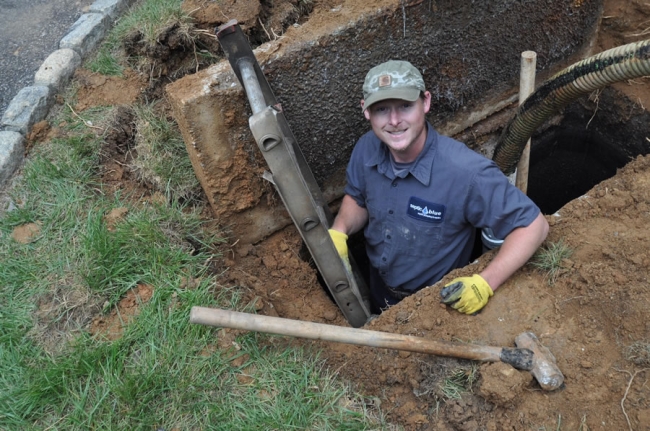
Septic technicians have seen things that would make most people put down their lunch. Every septic tank pumping job comes with its own surprises, and after enough years on the job, very little is shocking anymore. At Septic Blue, our technicians have pulled some genuinely baffling items out of tanks, and the stories they bring back say a lot about what people assume their septic systems can handle. This post is part cautionary tale and part education, because knowing what ends up in these tanks is one of the better arguments for treating your system with a little more respect.?
Most homeowners picture their septic tank as a simple holding vessel. Waste goes in, water filters out, and bacteria break things down. Unfortunately, the tank has no way to reject what you send it. Anything that fits through the pipe ends up inside, and it stays there until a technician shows up to deal with it.
The bacterial ecosystem inside a healthy tank is what makes the whole system work. It needs the right balance of organic waste and water to function. When non-biodegradable materials enter the tank, they don't break down. They accumulate, clog the inlet baffle, and compress into a solid layer.
Septic tanks aren't garbage cans. They're biological systems with a narrow tolerance for abuse. The items people casually flush or drain into their systems bypass any opportunity for correction. By the time a homeowner notices a problem, the damage is already done.
The word "flushable" on a wipe package means it can move through the toilet trap without clogging. It does not mean the wipe will break apart in water. Standard toilet paper disintegrates when it comes into contact with water. Wet wipes, even those marketed as flushable, hold their structural integrity inside a septic tank.
Technicians pull these wipes out in thick, matted sheets. They bind together into dense masses that block the outlet pipe, wrap around baffles, and layer across the tank surface, where they prevent solids from settling properly. A single household flushing one or two wipes a day can accumulate enough material in a year to cause a partial blockage.
The volume of wipes found during septic cleaning jobs has increased noticeably over the past decade. Hygiene product marketing expanded the category, and consumer behavior followed. The septic system didn't evolve to accommodate the shift. What changed is the frequency and scale of the problem technicians encounter on routine jobs.
Garbage disposals push food into the septic system. Grease and cooking oils follow the same path when people rinse pans in the sink. These materials behave very differently underground than they do in a kitchen. Grease congeals into a thick, yellowish layer across the top of the tank. Food solids sink and compact at the bottom. Neither breaks down the way organic human waste does.
After a few years without septic service, the grease layer resembles a solid cap with the consistency of old candle wax. It traps gas beneath it and interferes with the normal venting process. The food waste at the bottom densifies into a compacted sludge.
Grease also coats the bacteria that break down waste. A tank with heavy grease accumulation loses a lot of bacterial activity. Less bacterial activity means slower breakdown, faster sludge accumulation, and shorter intervals between necessary pump-outs. Homeowners who use garbage disposals heavily and skip septic maintenance schedules pay for it with more expensive service calls.
The list of items recovered during septic cleaning jobs reads like a lost-and-found from a chaotic household. Technicians routinely find:
None of these items belongs in a septic system. Most arrived there through a toilet. Some came through floor drains in garages or utility rooms. Items that enter the system can survive intact for decades, depending on what they're made of. Hard plastics and synthetic materials don't degrade underground. A septic inspection of an older home may reveal items that predate the current owners.
Septic maintenance costs scale with how much non-degradable material enters the system. A household that flushes only toilet paper and keeps grease out of drains can go three to five years between pump-outs. A household that flushes wipes, uses a garbage disposal heavily, and sends cleaning chemicals down the drain might need service every twelve to eighteen months.
The difference in cost over a ten-year period is substantial. Frequent pump-outs add up. Repairs to damaged baffles, clogged distribution boxes, and compromised drain fields cost far more than any convenience product that caused the problem. A single drain field replacement can run between $5,000 and $25,000.
Scheduling a septic inspection before problems occur is the most cost-effective approach available. An inspection identifies sludge levels, baffle condition, and foreign material accumulation before those issues create a backup or a failure. A reputable septic company will document findings and give you a clear timeline for the next service.
If your tank is due for septic tank pumping in Great Falls, SC or you haven't had a septic inspection in the last three years, contact Septic Blue to schedule a septic service. Our technicians have the equipment and experience to handle whatever your tank has been collecting.
May/22/2026
Septic technicians have seen things that would make most people…
Read More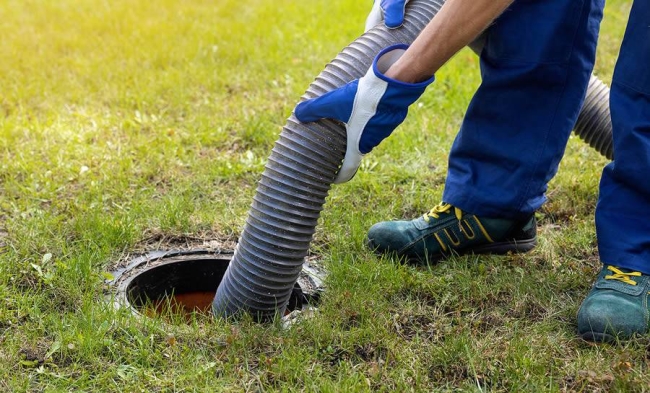 May/22/2026
Living in a rural home often means relying on a…
Read More