How We Inspect Your Tank While We Pump It
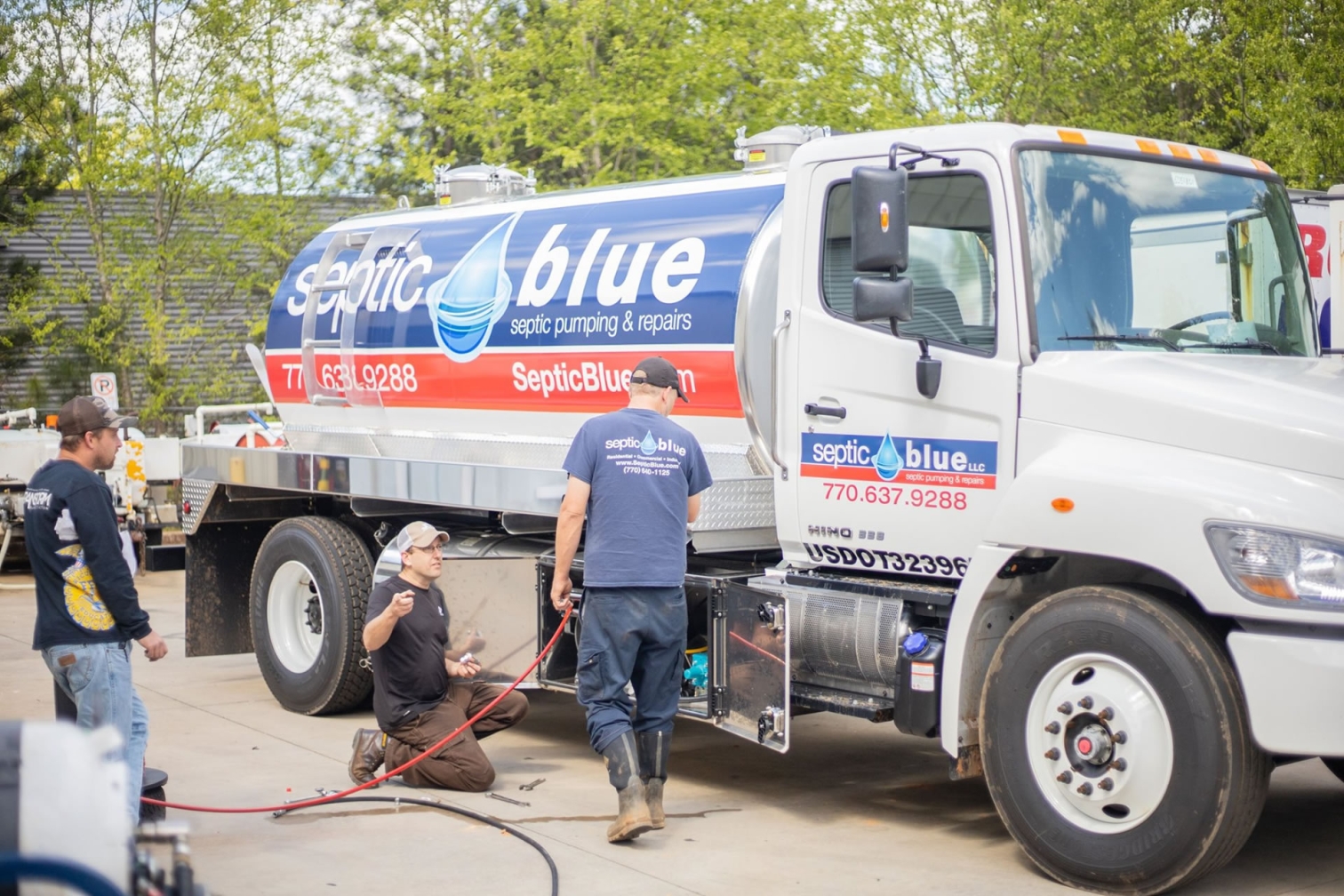
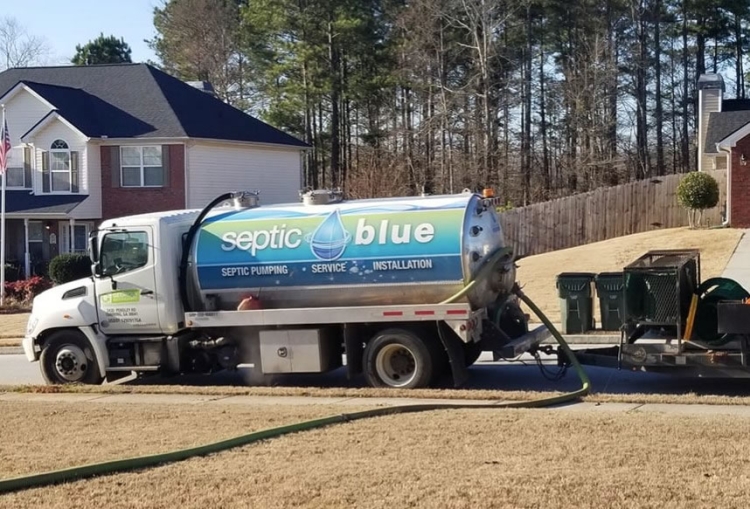
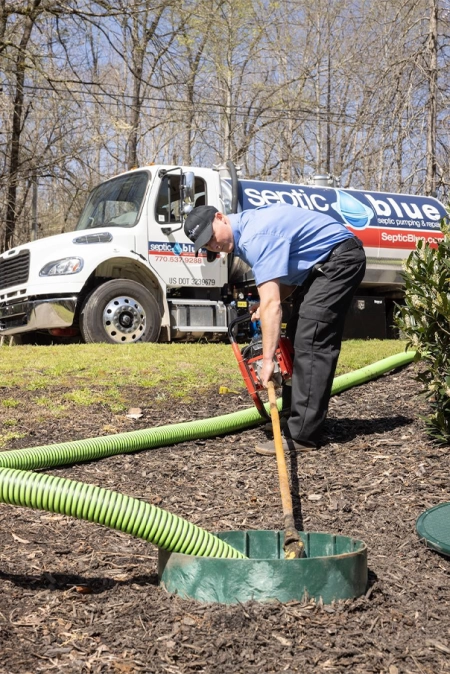
Pumping a tank and inspecting it are two different things, and a septic company worth hiring does both at the same time. While the technician removes the accumulated waste, we're also checking the condition of the inlet and outlet baffles, looking for cracks or signs of structural compromise in the tank walls, and measuring the scum and sludge layers before extraction begins. Those measurements tell you how fast your tank has been filling and whether the current interval for septic pumping in St. Andrews is right for your household.
We check the condition of the access lids and risers as well. A lid that's cracked or buried too deeply creates problems for future access and for groundwater infiltration. If the water table rises and enters the tank, it disrupts the bacterial environment that breaks down waste and dilutes the contents in a way that pushes solids toward the drain field. Catching that kind of issue during a routine septic cleaning in St. Andrews costs less than fixing a drain field failure.
We also probe the drain field area visually for signs of surfacing effluent or saturated soil, and we check for odors that indicate the tank isn't processing waste correctly. The inspection notes we take go with the job record. If we flag something during this visit, you'll know about it before we leave your property.
The Connection Between Indoor Plumbing Habits and Septic System Health
What goes down your drains ends up in your tank, and some of it doesn't belong there. Fats and grease congeal as they cool and build up in the inlet pipe and baffle. Wipes don't break down the way toilet paper does and accumulate into dense mats at the bottom of the tank. Antibacterial soaps and heavy cleaning products kill the bacteria the tank depends on to process waste, and that imbalance leads to solids building up faster than they should. A few specific changes make a major difference without upending your routine:
- Dispose of cooking grease in the trash, not the drain
- Use single or double-ply toilet paper rather than thick or quilted varieties
- Limit garbage disposal use, since food solids increase the loading rate in the tank
- Avoid flushing anything other than toilet paper, including so-called flushable wipes
- Space out high-water-use activities like laundry to avoid flooding the tank in a single day
Routine septic service catches the downstream effects of these habits before they become expensive. A technician can tell from the sludge composition whether the tank is receiving material it shouldn't. They can adjust your maintenance timeline and give you a clearer picture of what's affecting your system's performance.
What a Septic System Alarm Is Telling You and How to Respond
Most modern septic systems with pump chambers include a float alarm that triggers when the water level in the pump tank rises above a set point. When the alarm goes off, it usually means the pump has stopped working, the float has malfunctioned, or the system is receiving more water than it can move.
The first thing to do is to reduce water use in the house immediately. Don't run laundry, limit showers, and avoid flushing more than necessary. This gives the system time to process what's already in the tank while you arrange for a technician visit. Using water normally while the alarm is active can push effluent into the drain field.
Are You Past Due for a Septic Tank Pumping in St. Andrews, South Carolina?
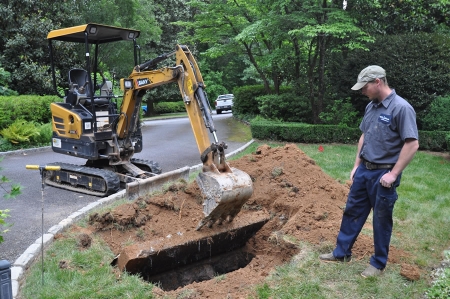
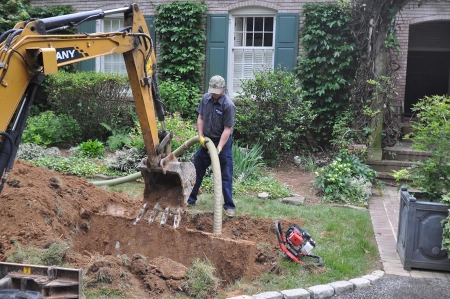
Do you need professional septic cleaning, septic tank repair and installation in St. Andrews? Call Septic Blue. We carry the licensing and insurance required to handle waste transport and disposal correctly, and we document every service call so you have a record of what was done, what was found, and what we recommend going forward. As a local septic company in St. Andrews, we treat every job like a long-term relationship, not a single transaction. We're the septic company in St. Andrews that homeowners call back because the work is done right the first time.