How Often Does Your Septic Tank Need to Be Pumped?
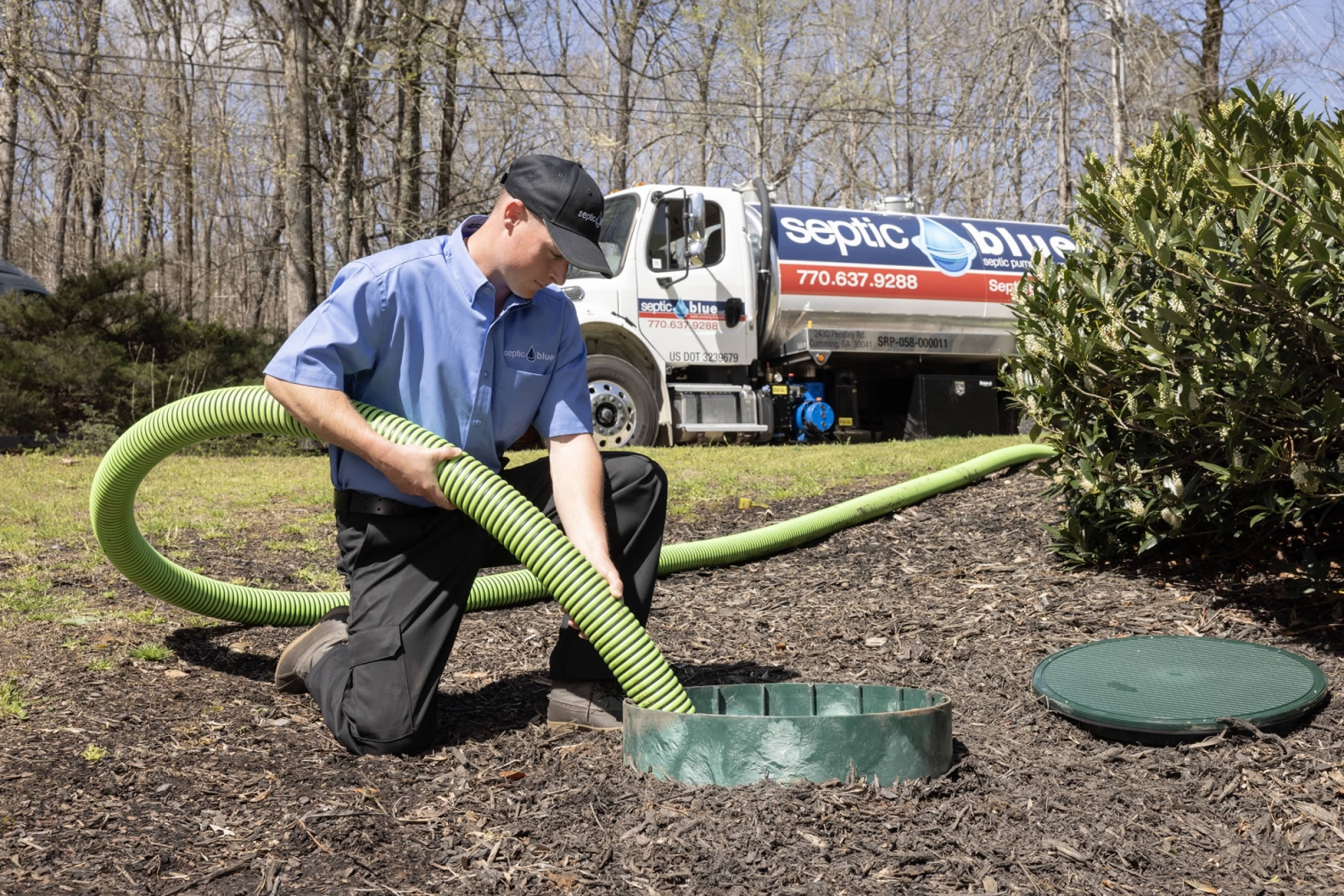
The industry recommendation is every three to five years, but that range depends on several variables. Household size matters the most. A family of four with a 1,000-gallon tank will fill it faster than a single person in the same home. Adding a garbage disposal accelerates sludge accumulation.
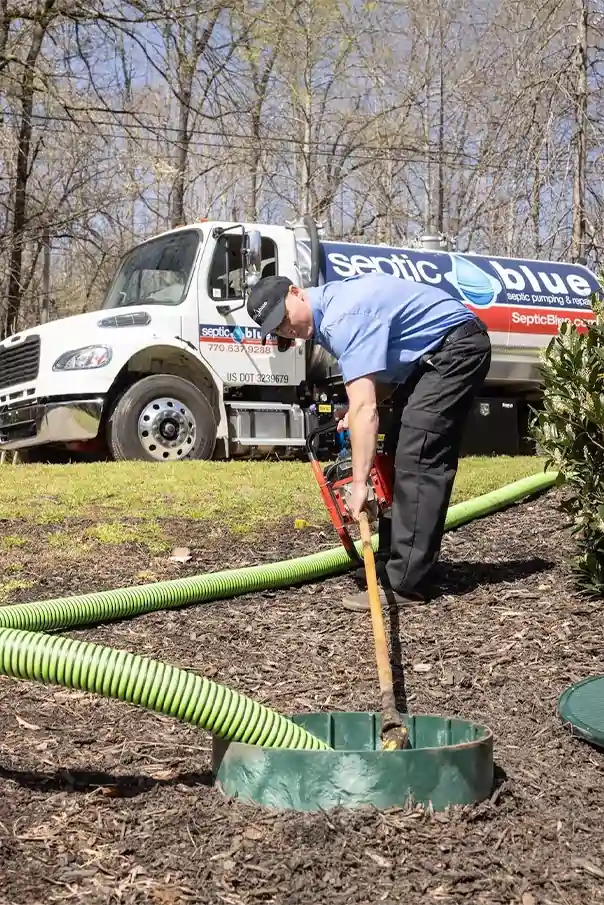
If you host large gatherings regularly, run a home-based business, or have frequent houseguests, your tank fills faster than the average household. A septic service provider can measure your sludge and scum levels during a routine visit and tell you exactly where you stand.
Some tanks need pumping every two years, but others can go five years without an issue. The only way to know which category yours falls into is to have it inspected. Waiting for a problem to show up on the surface is waiting too long.
What Happens When You Skip Regular Pumping
When sludge accumulates past the tank's capacity, solids start flowing into the drain field. The drain field isn't designed to handle solids, and once they clog the soil, the field can fail completely. Replacing a drain field costs thousands of dollars or more, depending on the size and soil conditions. A routine pump-out costs a fraction of that.
Backed-up waste also has nowhere to go but up. Slow drains, gurgling pipes, and sewage odors in the yard or inside the house are all signs that the system is under pressure. At that point, you're no longer dealing with a maintenance issue. A septic company can prevent all of this with a scheduled visit.
Signs Your Tank Is Overdue for a Pump
Septic pumping prevents most issues from developing. Waiting for visible symptoms is a reactive approach that costs more money and causes more disruption than a scheduled inspection would. If you're seeing these signs, the window for a simple pump-out may already be closing. Here's what to watch for:
- Slow drains throughout the house, not just one fixture. When multiple drains back up at once, the problem is usually in the tank, not the pipe.
- Gurgling sounds in toilets or sinks after flushing or draining.
- Sewage odors inside the house or near the tank and drain field in the yard.
- Unusually green or soggy grass over the drain field area, which indicates effluent saturating the soil.
- Sewage is backing up into fixtures, especially at ground-floor drains or the lowest point in the house.
Any one of these warrants a call to a septic company. Two or more appearing together means the tank likely needs immediate attention.
How Regular Maintenance Extends the Life of Your Septic System
A well-maintained septic system can last 25 to 30 years or longer. A neglected one can fail in half that time. The difference comes down to how consistently the tank is serviced and whether small issues get caught before they become structural problems.
During a septic cleaning appointment, the technician inspects the baffles, which are components inside the tank that direct flow and keep solids from entering the drain field. Damaged baffles are a common source of drain field failure, and they're inexpensive to replace when caught early. If ignored, they accelerate the kind of solid intrusion that destroys a drain field.
Routine septic service also keeps a service record for your property to use when you sell your home, when you apply for a permit, or when you need to demonstrate compliance with local regulations. Buyers and inspectors look for documentation, and a consistent maintenance history adds credibility and can simplify the transaction.
Schedule Your Next Appointment with Septic Blue
Protecting your septic system requires working with a septic company that knows what to look for. Septic Blue provides reliable service with transparent pricing. Call today to schedule your septic tank pumping or septic cleaning appointment. We'll check your system and set you up with a maintenance schedule that works for your household.