Reliable Septic Service. No Mess. No Stress

Reliable Septic Service. No Mess. No Stress
Where the Tough Jobs Get Done Right.Reliable Septic Service. No Mess. No Stress
Reliable Septic Service. No Mess. No Stress
Where the Tough Jobs Get Done Right.
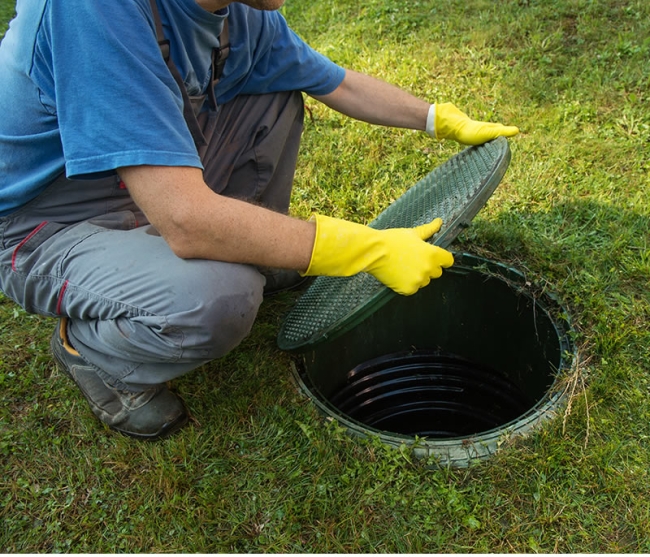
Selling a home with a septic system means buyers, inspectors, and lenders will all be paying close attention to the condition of the tank. Scheduling a septic cleaning before listing can change how the conversation plays out at closing. Septic Blue works with sellers who want to avoid surprises during the inspection period and present a system that's documented, serviced, and ready for the next owner. Keep reading to see whether a pre-sale cleaning genuinely pays off and what it accomplishes.
During a septic inspection, the inspector will find the tank, open the lids, measure sludge and scum layers, check the inlet and outlet baffles, and evaluate the drain field for signs of failure. Buyers want confirmation that the system is functional and has enough usable capacity to handle normal household use without involving immediate repairs.
Most inspectors look for a sludge layer below 25 to 33 percent of the tank's total liquid depth. When solids exceed that threshold, the system is overdue for septic tank pumping, and the inspector will note it. That can give buyers grounds to negotiate a price reduction or request a service credit before closing.
Service records are just as important as the current condition. A buyer's inspector will ask whether the tank has been pumped within the last three to five years. If you can't produce documentation, the assumption is that it hasn't been maintained, and that perception affects the negotiation even if the tank is technically functional.
Documentation from a septic company in Forest Acres gives buyers something concrete to evaluate, rather than having to speculate about the system's history. A record showing the tank was pumped, inspected, and found to be in good working condition 12 months before listing is a data point that removes uncertainty from the transaction.
Lenders that are financing the purchase through FHA or VA loans may require proof that the septic system passed inspection. Some lenders request service records as part of the file. Without them, the loan can stall while the buyer arranges their own inspection and waits for results.
Sellers who complete septic tank pumping before listing can attach the service report to their disclosure package. The buyer starts from a position of documented maintenance rather than unanswered questions, which lowers the chance of last-minute demands or inspection contingencies that derail the timeline.
When a technician pumps the tank, they inspect the interior components at the same time. That includes checking the condition of the baffles, looking for cracks in the tank walls, identifying root intrusion, and noting if the distribution box or drain field shows signs of stress.
Problems discovered during a pre-sale septic service give you options. You can repair the issue, adjust the listing price, or disclose it upfront with documentation. Any of those paths is better than the buyer's inspector finding it first, which removes your control over how the problem gets framed and priced. Common findings during pre-sale cleaning include:
Each of those findings is manageable when caught early. If it’s left until the buyer's inspection, they can use it as leverage against you.
Septic tank pumping for a standard residential tank runs between $300 and $600 in most markets, depending on tank size and access. The cost is fixed and predictable.
Buyers who discover deferred septic maintenance during inspection commonly request a price reduction equal to the estimated repair cost, a service credit at closing, or for the seller to complete all work before the transaction proceeds. In competitive markets, some buyers will walk rather than take on an unknown septic situation. A single lost buyer in a slow market can cost more in carrying costs and re-listing fees.
Completing a septic inspection before listing also documents the system's condition at a known point in time. If a buyer later claims damage occurred during the sale process, you have a timestamped record showing the tank was serviced.
Schedule septic cleaning four to six weeks before your target listing date. That window gives you enough time to receive the written report, take care of any minor findings, and include the documentation in your disclosure package before the first showing.
Avoid scheduling service the week before listing. If the inspection turns up a baffle replacement or a riser repair, you'll need time to book a crew, complete the work, and get a follow-up sign-off from the septic company. Rushing the process creates gaps in your documentation that buyers and their agents will notice. Here is some schedule information worth confirming before you book:
Sellers who invest in pre-sale septic maintenance close faster, negotiate from a stronger position, and avoid the last-minute repair scramble. Call Septic Blue to schedule septic tank pumping, septic cleaning, or a full septic inspection before your listing goes live. Our licensed technicians provide written condition reports, identify issues, and give you documentation that holds up through the entire closing process. When you need a septic service you can put in front of a buyer with confidence, we’re the septic company to call.
May/14/2026
Selling a home with a septic system means buyers, inspectors,…
Read More May/13/2026
A professional septic pumping service covers everything from locating the…
Read More May/08/2026