What Grease and Food Waste Do to Your Septic System
Grease poured down the kitchen drain doesn't dissolve in your pipes. It cools, solidifies, and coats the interior walls of your inlet baffle and tank. A thick grease layer blocks the natural separation process that keeps solids at the bottom and liquid effluent in the middle. When the layer builds up enough, solid waste pushes through to the drain field and clogs the soil. Drain field restoration is expensive. Preventing grease buildup through regular septic cleaning in Lugoff is not.
Food waste from garbage disposals accelerates sludge accumulation. Disposal use can cut the time between pumpings in half. Ground food doesn't break down the same way human waste does, and they pile up on the tank floor faster than bacteria can process them. If you use a disposal daily, build that into your service schedule and mention it when you call.
Septic cleaning takes care of grease and food buildup that pumping alone may not fully remove. A thorough cleaning includes breaking up hardened grease deposits and flushing residue from the tank walls and baffles. Skipping this step and only removing the liquid waste leaves behind material that continues to restrict flow and accelerate the next buildup.
The Most Common Septic Problems We Find During a Service Visit
Cracked or missing baffles show up regularly during inspections. The inlet baffle directs incoming waste downward to prevent it from disturbing the liquid layer. When it breaks, solids flow directly toward the outlet and into the drain field. Replacing a baffle during a service visit is a minor repair compared to the cost of rehabilitating a failed drain field. Most homeowners don't know a baffle is missing until a technician pulls the lid and looks. Here are the other problems we find most frequently:
- Compacted or saturated drain fields from hydraulic overload
- Tree root intrusion into the tank or lateral lines
- Broken or sunken lids that create a collapse and safety hazard
- Effluent filter clogs that restrict outflow from the tank
- A high water table is pushing groundwater back into the tank
- Corroded concrete walls or seam separations in older tanks
Slow drains throughout the house are one of the first signs that something is wrong. A single slow drain usually points to a localized clog. When every fixture drains slowly at once, the tank is backing up. At that point, septic service needs to happen quickly to prevent sewage from surfacing in the yard or backing into the home. Catching these problems during a routine visit costs less than responding to an emergency.
What Bacteria Do Inside a Healthy Septic Tank
A functioning septic tank relies on two distinct bacterial populations. Anaerobic bacteria living at the bottom of the tank break down solid waste into simpler compounds. Aerobic bacteria in the drain field continue the process as effluent filters through the soil. When either population gets disrupted, the system loses its ability to process waste at the rate your household produces it.
Antibacterial products flushed into the system kill off the bacterial colonies your tank depends on. Bleach, antibacterial soaps used in large quantities, and some medications pass through the system and reduce bacterial activity. This doesn't mean you need to eliminate every cleaning product, but it does mean that heavy use of disinfectants in drains directly impacts how well your tank functions between pumpings.
Bacterial additives sold at hardware stores are marketed as a way to restore tank health, but the evidence supporting them is limited. A healthy tank with regular septic tank pumping in Lugoff and appropriate water use maintains its own bacterial balance. The most effective way to support bacterial activity is to pump on schedule, avoid flushing non-organic material, and limit the volume of harsh chemicals going down your drains.
What to Expect From the First Call to Job Completion
When you call to schedule, we'll ask for your address, tank size if you know it, and when it was last pumped. The information helps us arrive at the right equipment and a realistic time estimate. We don't quote you a price and then add fees at the door for standard work. If you're not sure of your tank size or service history, that's fine. We account for that on arrival.
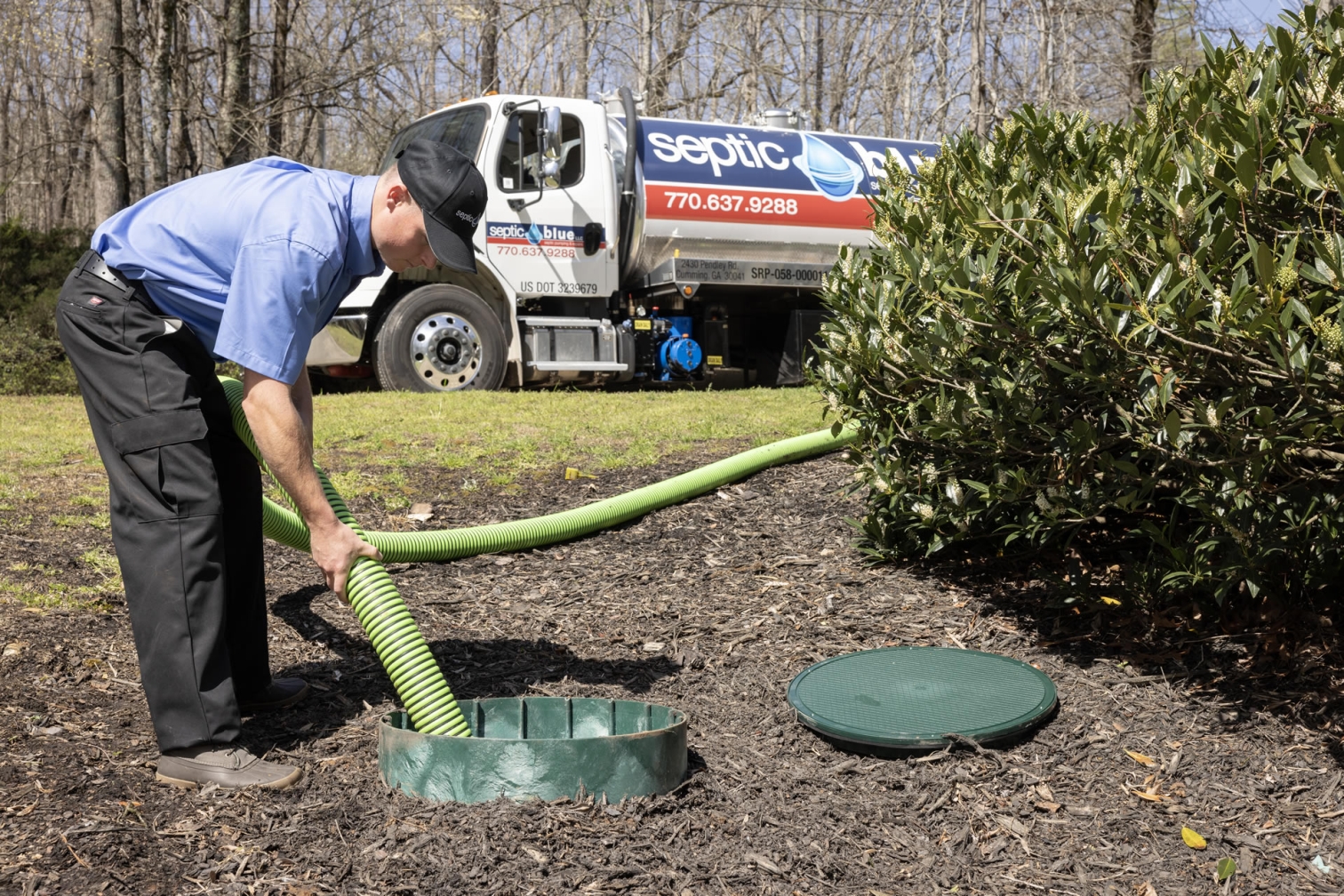
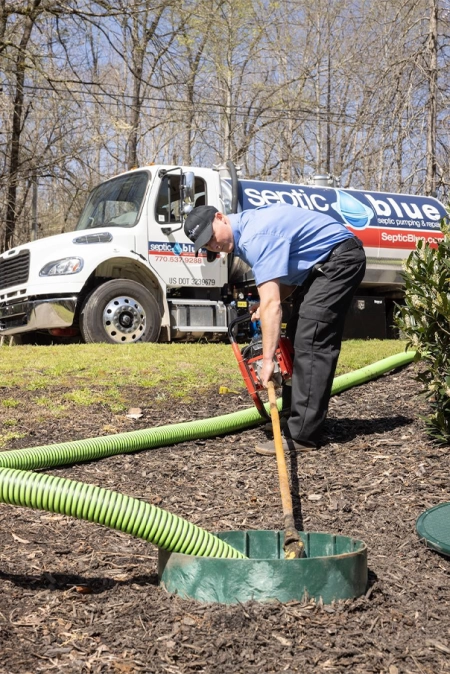
The technician locates the access lids, removes them safely, and inspects the tank condition before pumping begins. We check the inlet and outlet baffles, look for signs of root intrusion, and measure the sludge and scum depth before starting the pump. You get an accurate picture of your system's condition. If we spot something that needs attention, we document it and explain it clearly before we leave.
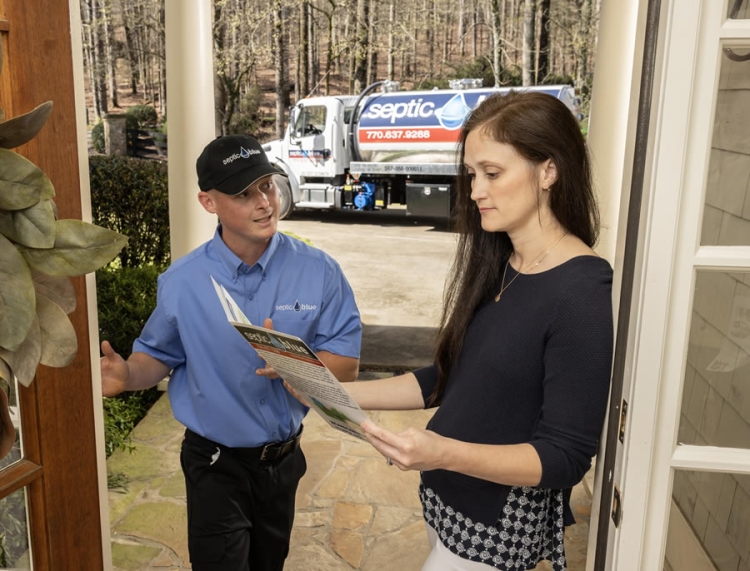
After pumping, we walk you through what we found. If there's a minor repair needed, we'll tell you directly and explain what happens if it's left alone. As a septic company in Lugoff, we offer septic cleaning in Lugoff for both routine maintenance and urgent callouts. New homeowners with no service history on the property can use that visit to establish a baseline and set a realistic maintenance schedule going forward.
Do You Need Professional Septic Pumping in Lugoff, South Carolina?
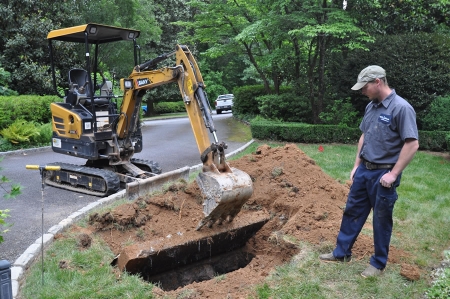
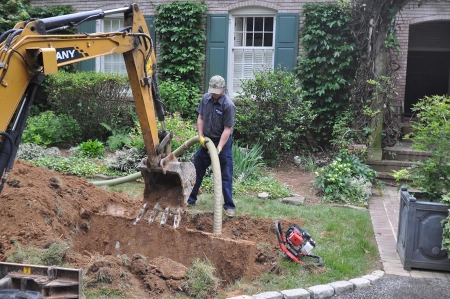
Septic Blue is the septic company in Lugoff that local homeowners call when they want the job done right the first time. We provide dependable septic service for residential properties throughout the area. Call us to schedule your septic pumping, septic tank repair and installation in Lugoff and get an honest assessment of where your system stands.