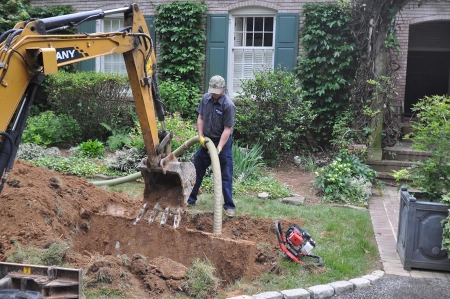
When a Routine Pumping Appointment Uncovers a Bigger Problem
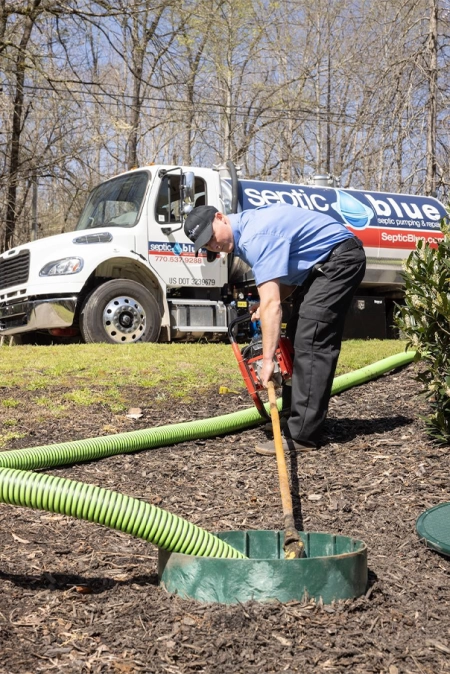
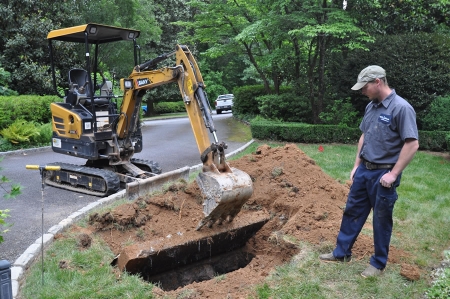
Septic tank pumping is maintenance, but it's also an inspection opportunity. When a technician pumps the tank, they can visually check the inlet and outlet baffles, look for cracks in the tank walls, and assess how the liquid level sits relative to the outlet pipe. A tank that refills to the outlet line immediately after pumping points to a drainfield that isn't accepting effluent properly.
Baffles are a common problem that gets caught during routine service. The inlet baffle directs incoming waste downward so solids settle rather than disturb the liquid layer. The outlet baffle keeps floating scum from leaving the tank and clogging the drainfield. When either one deteriorates or breaks off, the system works less efficiently and damage builds up fast. Replacing a baffle is a minor repair, but replacing a drainfield is not.
Septic cleaning in Lexington should include a review of what the technician found. Ask for a written summary of the tank's condition and any issues observed. The documentation protects you if problems develop later or when it's time to sell your property.
What Drainfield Problems Look Like and How to Prevent Them
A failing drainfield shows up in predictable ways. The most visible signs include:
- Spongy ground over the drainfield area
- Sewage odors in the yard or near the system
- Slow drains or gurgling sounds inside the house
- Sewage is backing up into lower-level fixtures
These symptoms don't always mean the drainfield is beyond repair, but they do mean something's wrong. A saturated drainfield can sometimes recover if the system rests and the soil dries out, but that depends on the extent of the damage and whether solids have clogged the distribution lines.
Prevention comes down to keeping solids out of the drainfield and not overloading the system with water. Pumping the tank on schedule removes the solids. Spacing out laundry loads, fixing leaky faucets, and avoiding running multiple high-water appliances at the same time reduces hydraulic load. A qualified septic service provider can also advise on whether your tank size matches your household's usage, which can vary from the original permit estimates if the home has been expanded or the number of occupants has changed.
How to Document Your Septic Service History and Why It Matters
A written service record is worth keeping from the first day you own the property. Every septic pumping in Lexington should generate a receipt or service report that includes the date, the company name, the tank's condition, any septic repairs made, and recommendations. Store these with your other home records.
This documentation matters in three situations. First, when you sell the house. Buyers and their inspectors ask about septic maintenance, and a documented history signals that the system has been managed properly. Second, when something goes wrong. If a drainfield fails and a dispute arises about cause or timing, service records establish what was known and when. Third, when scheduling a future service. Pumping intervals vary based on tank size and household size, but the general industry standard is every three to five years. Knowing the last service date removes the guesswork.
A good septic company will note more than just that the tank was pumped. Ask for sludge and scum layer measurements recorded at each visit. Over multiple service cycles, the numbers show you whether your usage patterns are putting the system under consistent pressure or if the current pumping schedule is working.
Protecting Your Property Value With a Well-Maintained System
A septic system in poor condition lowers a home's resale value and can complicate a sale. Most mortgage lenders require a septic inspection as part of the closing process, and a system that fails inspection delays the transaction and shifts repair costs back to the seller. Buyers who discover undisclosed septic problems after closing have legal grounds for recourse in most states, which creates liability.
Routine septic service costs less than emergency repairs. Pumping a standard residential tank runs a few hundred dollars. Drainfield replacement can reach into the tens of thousands, depending on soil conditions, system size, and site access. Keeping the tank pumped and the components intact is the best way to avoid that expense.
Septic cleaning in Lexington, done consistently and documented carefully, also gives you leverage in a competitive market. When a buyer's inspector pulls a permit history and finds regular service records, it removes one of the most common negotiating points used to lower offers on homes with septic systems.
Do You Need Professional Septic Pumping in Lexington, SC?
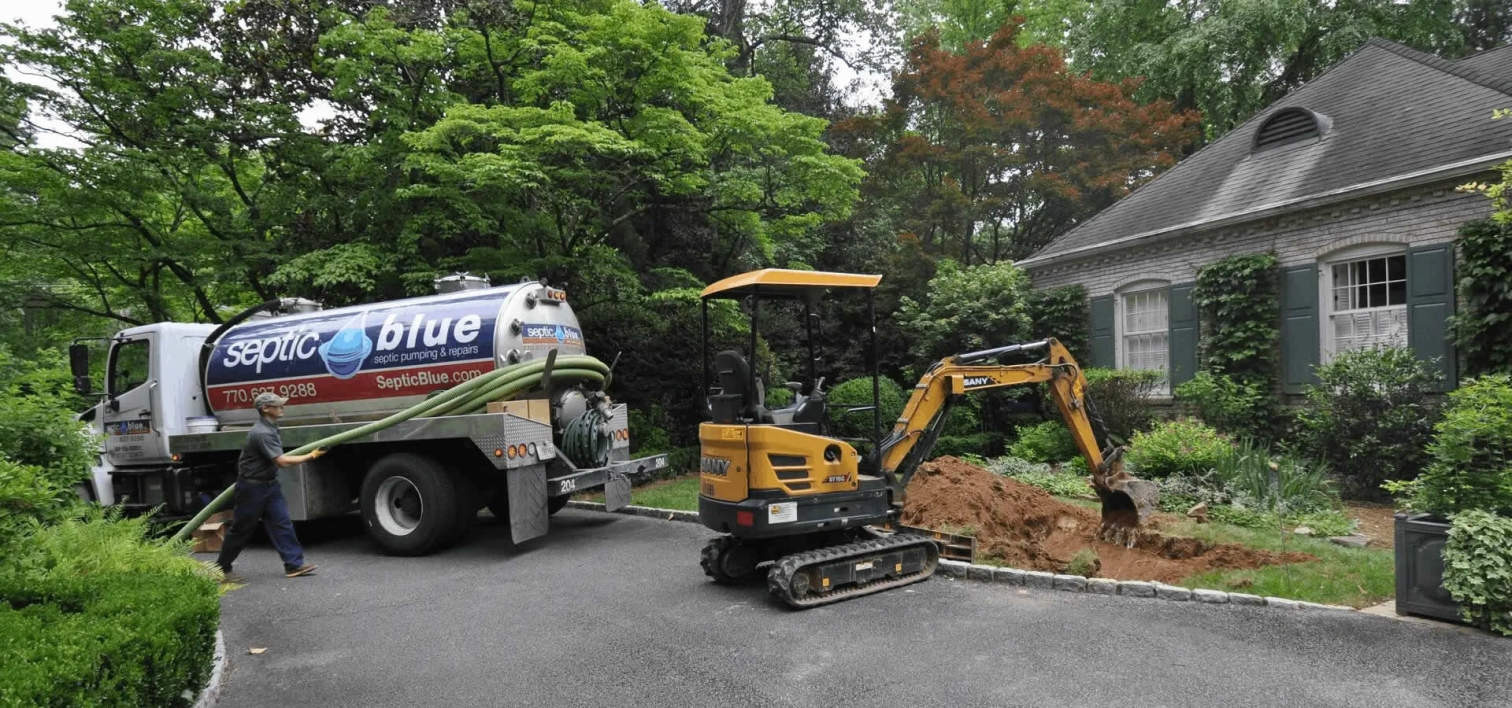
Septic Blue provides septic tank pumping in Lexington for residential properties throughout the area. Our technicians document what they find, explain what it means, and give you a clear picture of your system's condition. If you're due for service or you've never had the tank inspected since buying your home, contact Septic Blue to schedule an appointment. We're a local septic company in Lexington that shows up on time and keeps you informed.