What the Permitting and Site Evaluation Process Looks Like
Before any equipment hits your property, a site evaluation has to happen. A licensed professional conducts a soil percolation test to measure how quickly the soil absorbs water, which determines which type of system your lot can support and how large the drain field needs to be.
Permitting requirements vary, but most jurisdictions require a soil test report, a site plan, and approval from the local health department before work can start. Installing without permits can result in fines, forced removal, and a system that won't pass inspection when you sell the property. A qualified septic tank installer in Columbia can handle the permit applications and coordinate inspections so the project stays on track with local regulations.
The timeline for this phase surprises some property owners. Depending on the county and the time of year, permit approval can take anywhere from a few days to several weeks. Soil tests also have to be conducted when the ground is at the right moisture level, which means scheduling matters. Starting the permitting process early gives the project enough runway to stay on schedule, especially if you're working against a construction deadline or a closing date.
A Step-by-Step Overview of the Installation Process
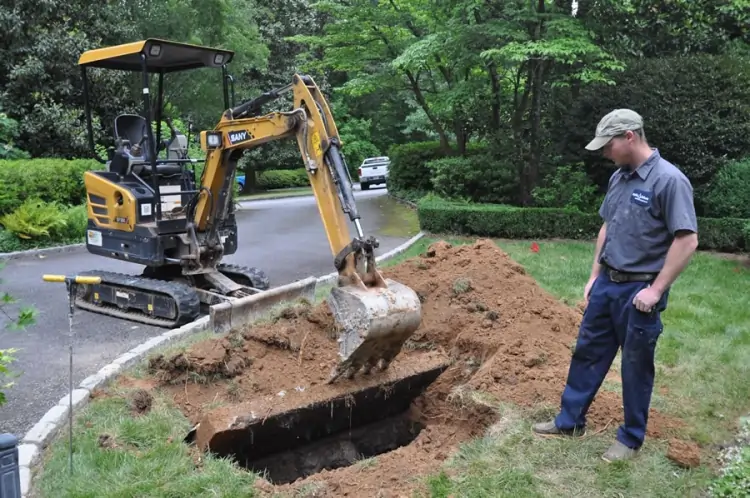
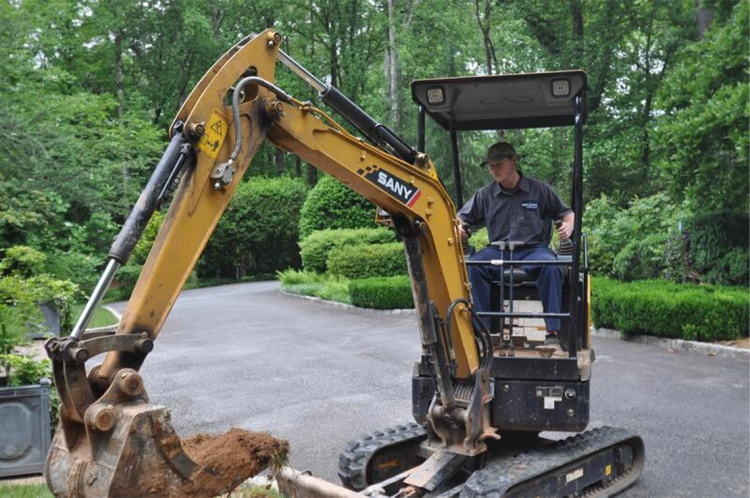
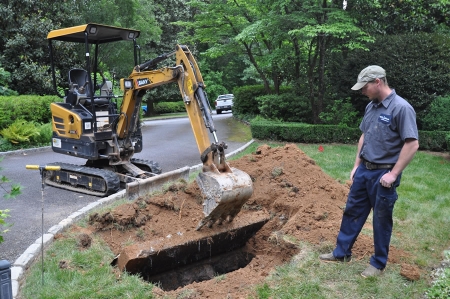
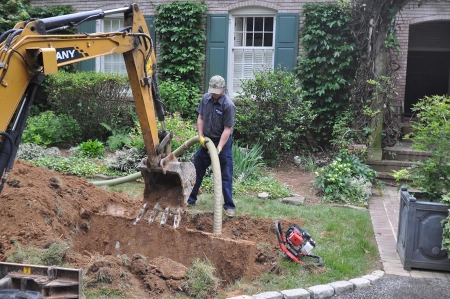
Once permits are approved and the layout is marked, excavation begins. The crew digs out the tank location and the drain field trenches according to the approved site plan. Tank placement has to account for setback requirements from wells, property lines, and structures, and those distances are set by state and local code.
The tank goes in first. Concrete, fiberglass, and polyethylene tanks all require specific handling during placement to avoid cracking or shifting. After the tank is set and the inlet and outlet pipes are connected, the drain field lines are laid in gravel-filled trenches at the correct slope for passive drainage. Inspectors usually visit at critical stages before backfilling covers the work. The full process for a standard septic tank installation runs anywhere from two to five days, depending on site conditions, system complexity, and inspection scheduling.
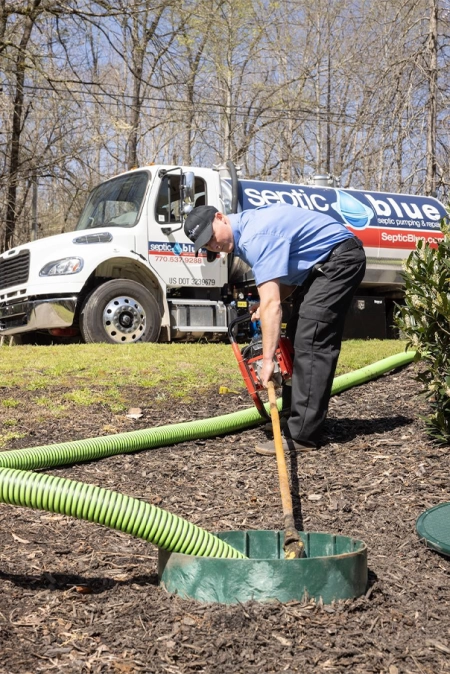
After backfill, the area is graded and seeded if needed. You'll receive documentation of the system layout, tank location, and maintenance schedule. Keep those records. They're required during property transfers and are useful any time a septic service technician in Columbia, SC comes out for pumping or repairs. Some counties also require the system to be recorded with the health department, which your installer should handle as part of the project closeout.
How Long a Properly Installed Septic System Should Last
A concrete septic tank installed correctly can last 40 years or more. Fiberglass and polyethylene tanks have similar lifespans when set properly and not subjected to heavy vehicle traffic above ground. The drain field should last 25 to 30 years with regular pumping and normal household water use.
What shortens the lifespan is predictable and avoidable. Flushing non-biodegradable materials, pouring grease down drains, and relying heavily on a garbage disposal all accelerate sludge buildup and clog the drain field faster. Planting trees near the system lets roots infiltrate the pipes. Parking on the drain field compacts the soil and collapses the trenches beneath the surface.
Pumping the tank every three to five years is the single most effective maintenance step a homeowner can take. It removes accumulated solids before they reach the drain field and gives a technician the chance to inspect the condition. A well-maintained system installed by a skilled septic tank installer in Columbia will reach or exceed its expected lifespan without major problems. Neglecting pumping, on the other hand, leads to drain field replacement, which costs a lot more than the tank installation.
What to Look for When Choosing a Septic Installation Company
Licensing and insurance are the baseline. Any septic service operating in the area needs a license and liability coverage. Ask for both before signing anything. If a company hesitates to provide the documentation, move on.
Experience with local soil types and county permitting processes matters more as well. A local septic company that has installed systems in the area knows which inspectors to work with, how long approvals take, and how to design a system that performs well in local conditions. Ask specifically if the company has installed systems on lots similar to yours in size and soil type.
Pricing transparency is another thing to watch. A reputable septic company provides a written estimate that breaks down equipment, labor, permits, and grading or soil work. Vague quotes make it harder to compare bids and easier to get hit with unexpected charges after the project starts. A company that can explain every line item on the estimate and answer questions without hesitation is one that knows the work and stands behind it.
Are You Looking for a Reliable Septic Tank Installer in Columbia, SC?
Septic Blue handles every stage of septic tank installation in Columbia from the initial site evaluation through final inspection and documentation. Our team knows local permitting requirements, works with county inspectors, and installs systems built to perform for decades. We also provide dependable septic service to maintain your system after installation. If you’ve been searching for a local septic company, call us today to schedule a site evaluation and get an estimate for your property.