Reliable Septic Service. No Mess. No Stress

Reliable Septic Service. No Mess. No Stress
Where the Tough Jobs Get Done Right.Reliable Septic Service. No Mess. No Stress
Reliable Septic Service. No Mess. No Stress
Where the Tough Jobs Get Done Right.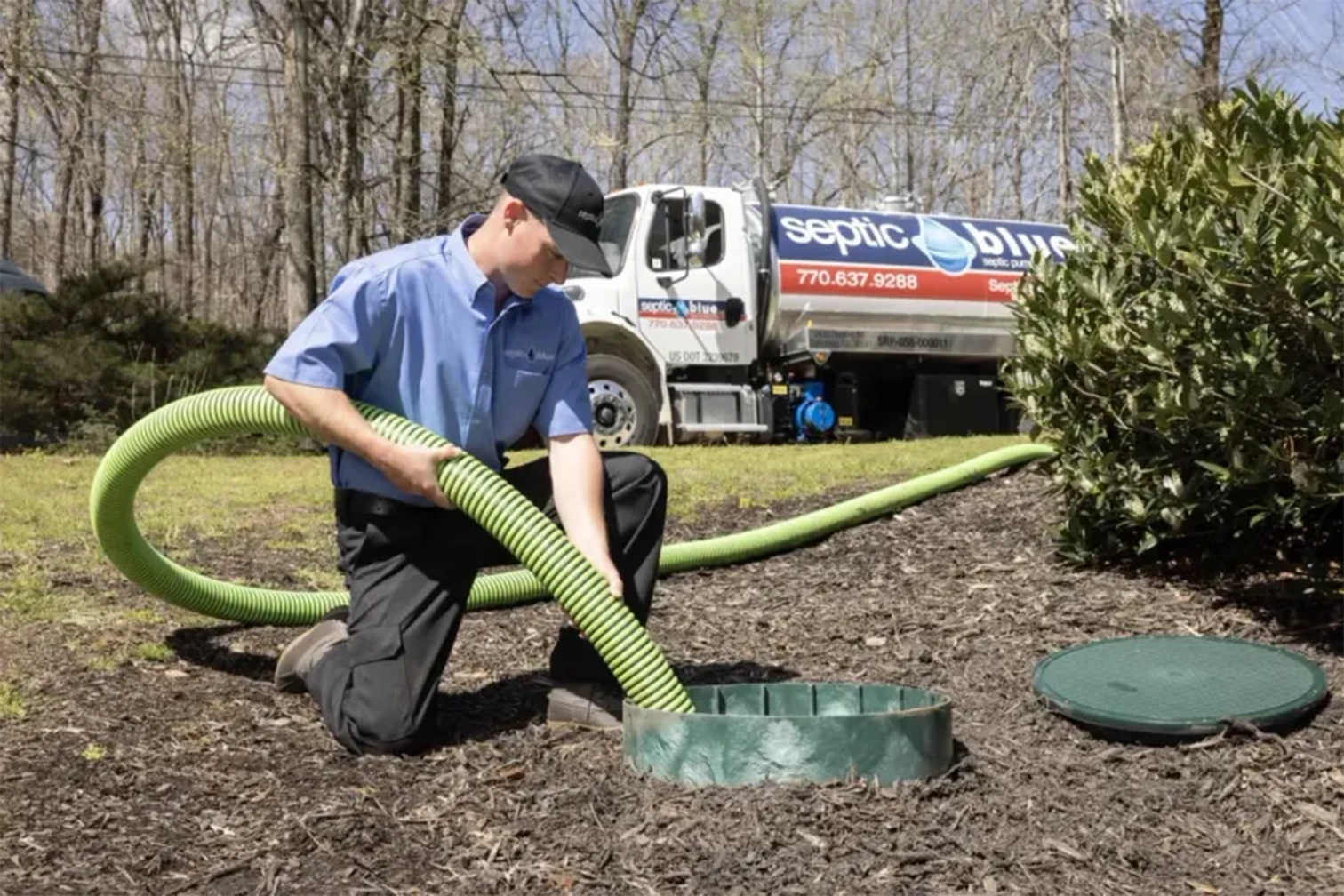
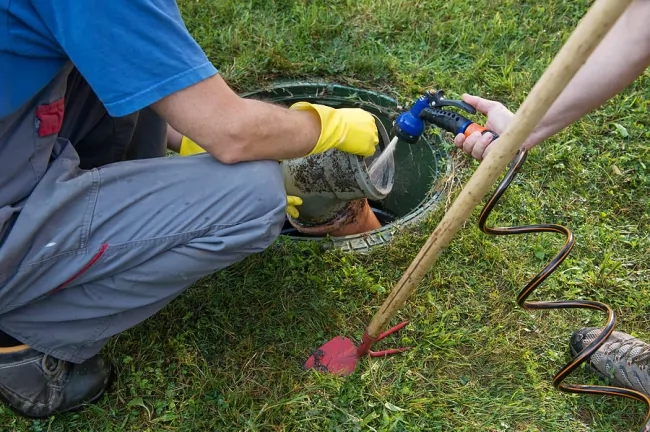
Septic tank cleaning is a maintenance task that's easy to put off because the system is underground and out of sight. The problem is that out of sight usually means out of mind until something breaks down, fails, or turns into an expensive emergency. At Septic Blue, we see the results of neglected systems a lot, and the difference between a well-maintained tank and a neglected one is substantial. Keep reading to understand why regular cleaning matters and what it does for the long-term health of your system.
Most homeowners think of septic tank cleaning as simply emptying a full tank. A proper cleaning removes all of the accumulated solids from the bottom, clears the scum layer floating at the top, and gives a technician a direct look at the interior components so they can catch cracked baffles, corroded lids, or early signs of a failing inlet pipe.
Bacteria inside the tank break down waste, but they can't eliminate everything. Sludge builds at the bottom at a rate of about one inch per year under normal use. Once the layer reaches about a third of the tank's capacity, it displaces the liquid zone where treatment happens. Waste exits the tank less processed, and that puts pressure on the drain field.
Scheduling septic pumping every three to five years keeps sludge levels in a safe range and gives your system room to work the way it was designed. The exact interval depends on tank size and how many people live in the house, but the point is consistency. A tank that's pumped on a regular schedule costs less to maintain than one left alone until a problem forces an issue.
A septic system doesn't announce when it's struggling. By the time you notice slow drains, gurgling pipes, or wet spots in the yard, the tank has already been overloaded for a while. Solids that should have been removed through routine septic tank cleaning have migrated into the distribution lines or the drain field itself. At that point, cleaning alone won't fix the problem.
Drain field repairs cost anywhere from $5,000 to $20,000, depending on soil conditions, system size, and local labor rates. Full system replacement can run even higher. Those numbers exist on one end of a spectrum that starts with a basic pump-out. Skipping routine maintenance doesn't save money; it just delays one cost and trades it for a much larger one.
Sewage backups create serious damage. Raw waste in a living space requires professional remediation. It contaminates surfaces, soaks into subfloor materials, and creates health hazards that linger after the visible mess is gone. A neglected tank is the most common cause of residential sewage backups, and it's entirely preventable with consistent septic service.
The drain field is the most expensive and least replaceable part of a septic system. It relies on the process of liquid effluent flowing out of the tank and filtering through layers of gravel and soil before returning to the groundwater. Filtration depends on the soil staying clear enough to absorb the liquid. When it gets clogged, it stops working.
Excess solids escaping an overloaded tank are the leading cause of drain field failure. A layer of biomat, which is a dense microbial crust, builds up at the soil interface and blocks absorption. Once a biomat saturates a drain field, the only reliable fix is excavation and replacement. There is no additive that reverses it or a treatment to dissolve it. The field has to come out.
Routine septic pumping protects the drain field by keeping solids inside the tank where they belong. It's the most direct way to extend the life of your entire system. A well-maintained drain field can last 25 to 30 years. One that receives partially treated effluent from a neglected tank may fail in under a decade.
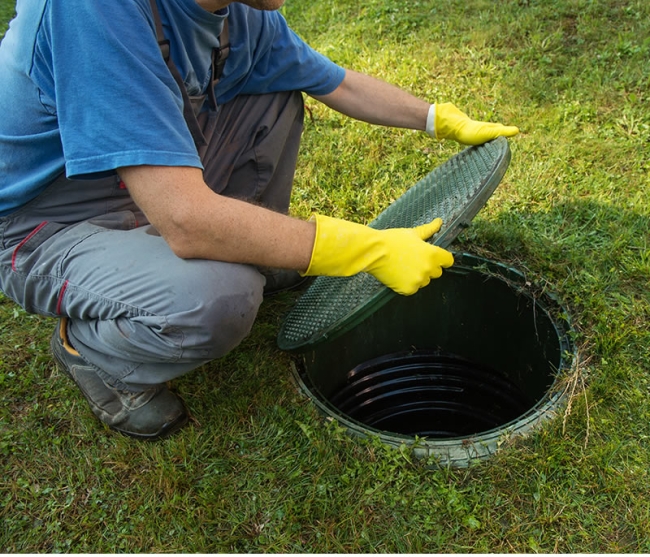
A professional septic service visit covers more than pulling a hose and pumping liquid. The technician locates and uncovers the access lid, which may require some digging if the lid sits below grade. Both the liquid and solid layers get removed completely, not just the surface contents. A partial pump-out leaves sludge behind and shortens the time before the next service is needed.
After pumping, the technician inspects the tank interior. They check the inlet and outlet baffles, look for cracks in the walls or floor, and assess the scum and sludge accumulation. Some companies use a camera to inspect the line from the house to the tank or the outlet line that leads to the drain field.
The visit ends with a written record of findings, the volume pumped, and any recommended repairs. Documentation matters for resale, warranty purposes, and for tracking how your system performs. A qualified septic company provides paperwork as a standard part of the service.
Septic additives show up in hardware stores marketed as tank treatments, system boosters, or enzyme blends. The idea is that pouring a product down the drain replaces or extends professional cleaning. It doesn't. The EPA and most state environmental agencies have found no reliable evidence that biological or chemical additives improve system performance or reduce pumping frequency.
Some additives actively cause problems. Certain chemical formulas kill the beneficial bacteria the tank needs to break down waste. The only proven method for maintaining a healthy tank is physical removal of accumulated waste through septic tank cleaning performed by a professional. A truck, a vacuum line, and a trained technician accomplish what no bottled product can.
If you don't know when your tank was last pumped, give us a call. Septic Blue provides dependable septic pumping, inspections, and repairs for residential systems. Our technicians document every visit, explain what they find, and give you a clear picture of what your system needs. Call today to schedule your septic service in Columbia, SC, and all nearby areas.
 May/14/2026
Selling a home with a septic system means buyers, inspectors,…
Read More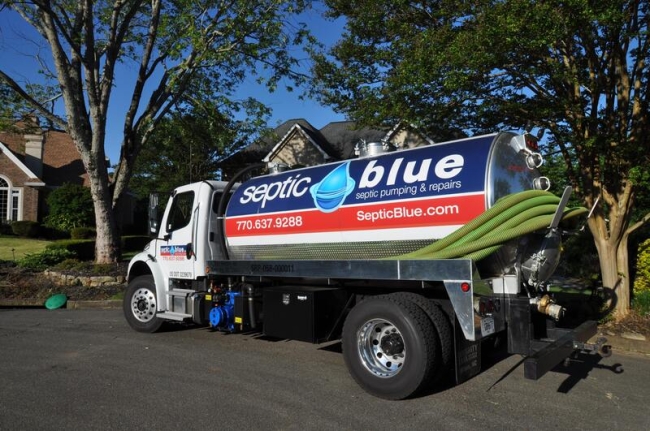 May/13/2026
A professional septic pumping service covers everything from locating the…
Read More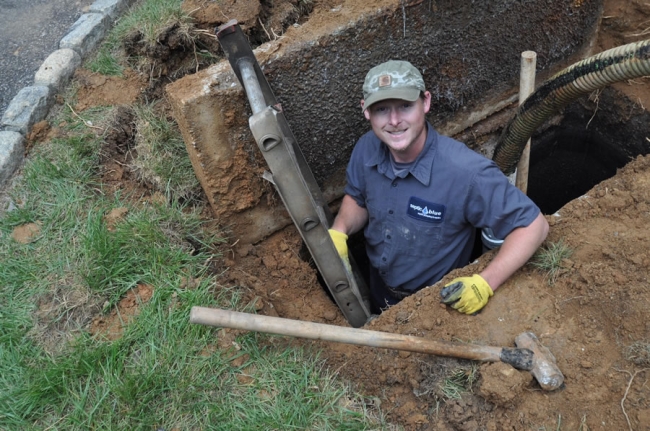 May/08/2026