Reliable Septic Service. No Mess. No Stress

Reliable Septic Service. No Mess. No Stress
Where the Tough Jobs Get Done Right.Reliable Septic Service. No Mess. No Stress
Reliable Septic Service. No Mess. No Stress
Where the Tough Jobs Get Done Right.
If you're planning a new septic system, one of the first questions you probably have is how long the whole process is going to take. The timeline for septic tank installation depends on several factors specific to your property, and skipping steps to move faster almost always creates problems later. At Septic Blue, we walk every client through the process up front so there are no surprises along the way. Keep reading to get a realistic picture of what the installation timeline looks like from the first site evaluation to the final inspection.
Most homeowners expect septic tank installation to work like a standard plumbing job, but that's not how it works. A proper installation involves multiple stages, each with its own requirements and waiting periods that can't be rushed.
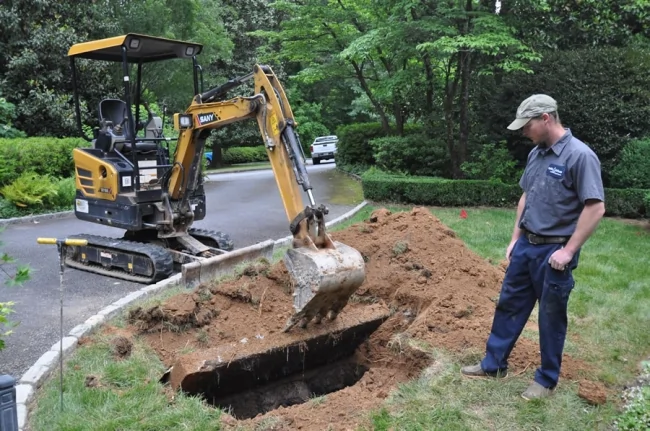
The physical digging and tank placement might take one to three days, but that's only a portion of the total timeline. Before excavation starts, a septic company in Columbia has to complete a site evaluation, submit permit applications, and wait for approvals. After installation, an inspector must sign off before the system can go into use.
From first contact to a fully operational system, most residential installations take anywhere from three to eight weeks. Complex properties, high permit demand in your county, or poor soil conditions can push that closer to three months. Planning around a realistic range prevents scheduling problems.
No licensed septic company will break ground without a permit, and that's not something you want to skip. Unpermitted systems can trigger fines, force removal, and create serious obstacles when you try to sell the property.
The permitting timeline varies depending on where you live. Some counties process applications in five to ten business days. Others have backlogs that stretch four to six weeks, especially during busy construction seasons. Your contractor submits the application with the soil test results and site plan, and then you wait for the health department or environmental agency to review it.
There's no way to speed up a government review, but you can avoid delays by having your documentation complete when you submit. Missing a soil report or an incomplete site drawing sends the application back to the start. A reliable septic service will handle the paperwork and know exactly what each jurisdiction requires before submission.
Before a permit application goes anywhere, the property has to be evaluated. A site technician maps the lot, identifies setback requirements from wells, property lines, and structures, and determines where the tank and drain field can go. This visit takes a few hours, but scheduling it can add a week or more to the process, depending on contractor availability.
Soil testing, specifically a percolation test, measures how fast water drains through the ground. The results determine what type of drain field your system needs. Sandy soil drains fast and supports a conventional system. Clay-heavy soil drains slowly and may require a mound system or an alternative design, which can take longer to engineer and install.
Some counties require the percolation test to be witnessed by a county health official, which means scheduling around their availability, not just your contractor's. Build that buffer into your expectations from the beginning.
Soil conditions and weather affect when excavation can happen. Frozen ground delays digging. Saturated soil after heavy rain can cause trench walls to collapse, which creates safety hazards and additional work.
Spring and fall tend to be the busiest seasons for septic service, as homeowners push to complete installations before winter or catch up after. High demand during those windows means longer wait times. Scheduling your project in late summer or early winter, if your climate allows it, can cut weeks off the wait. Other factors that affect scheduling include:
Most jurisdictions require a final inspection before you can run water through the system. The inspector verifies that the installation matches the permitted design, that the tank is sealed, and that all components meet code. Scheduling the inspection can take three to ten business days, depending on your county's workload.
Once the inspection passes, the system needs time to establish itself. The bacterial ecosystem inside the tank, which breaks down waste, takes a few weeks to develop fully. You can use the system during this period, but avoid flushing anything that disrupts bacterial growth, including antibacterial soaps, bleach, and non-biodegradable wipes. The contractor will also backfill and grade the excavated area. Settling happens over the following weeks as the disturbed soil compacts.
The biggest mistake homeowners make is starting this process too late. If you're planning to break ground on a new home or replace a failing system before a specific date, count backward from that date and build in buffer time at every stage.
A qualified septic company that knows your local permitting requirements and has established relationships with county inspectors can help keep the process moving. They'll anticipate delays, submit complete applications, and give you an accurate timeline.
Septic Blue provides full-service septic tank installation, from the initial site evaluation through final inspection. Our crews handle the permitting, testing, and installation with attention to local code requirements. If you're ready to get a realistic timeline for your property, contact Septic Blue today, and we'll walk you through every step.
 May/14/2026
Selling a home with a septic system means buyers, inspectors,…
Read More May/13/2026
A professional septic pumping service covers everything from locating the…
Read More May/08/2026