Replacing Damaged Inlet and Outlet Baffles
Baffles direct wastewater flow inside the tank. The inlet baffle slows incoming waste so it doesn't disturb the settled sludge layer, and the outlet baffle prevents floating solids from exiting toward the drain field. Both are exposed to hydrogen sulfide gas, which corrodes older concrete and plastic baffles from the inside out.
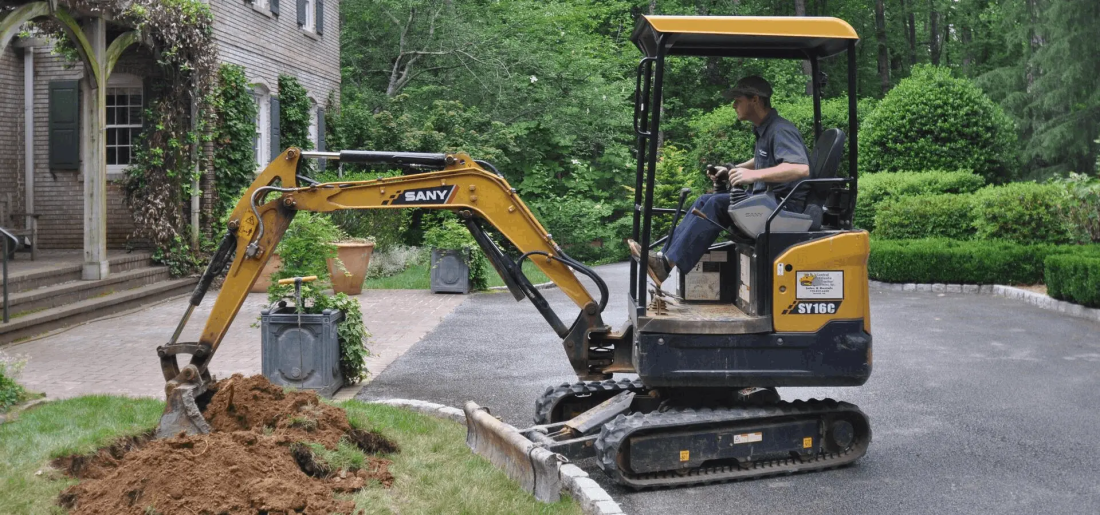
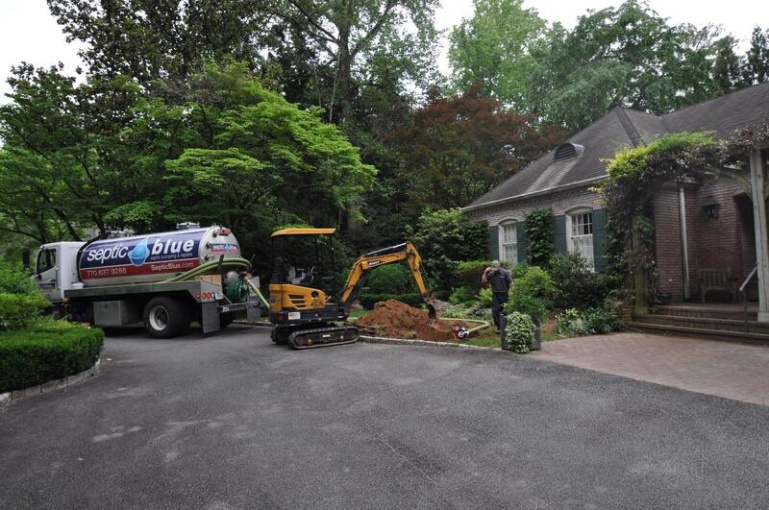
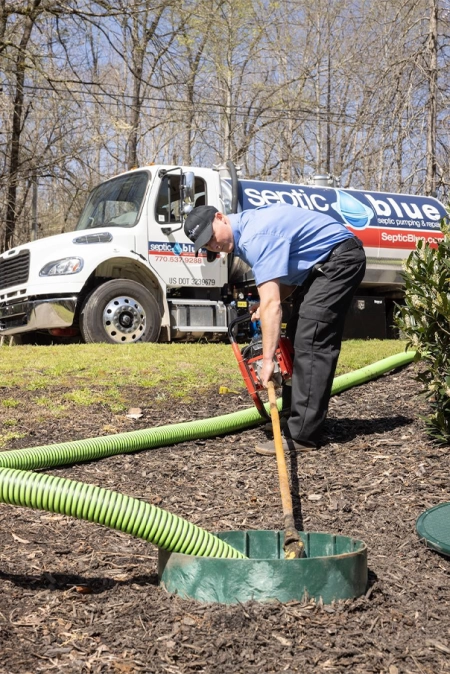
When a baffle breaks or degrades, the tank loses its ability to separate solids from liquid. Solids exit toward the drain field and clog the soil absorption area. A technician accesses the tank through the riser or lid, removes the failed baffle, and installs a new PVC or Tee-style replacement that won't corrode.
Baffle damage is one of the most common findings during septic maintenance in St. Andrews, particularly in tanks that haven't been pumped on a consistent schedule. Pumping every three to five years gives a technician an opportunity to inspect the baffle condition before the failure causes more damage.
What to Do When the Tank Lid Is Cracked or Compromised
A cracked septic tank lid is a safety hazard before it's a plumbing problem. Concrete lids that have fractured or shifted can collapse under foot traffic or lawn equipment weight. Children and pets are at higher risk near a compromised lid, and the ground above usually gives no warning before a section gives way.
Lid replacement is a simple septic tank repair in St. Andrews. The old lid is lifted out, the riser ring is inspected for damage, and a new concrete or heavy-duty polyethylene lid is set in place. If the riser has cracked at the connection point, that section gets replaced at the same time, so the new lid works properly.
Many homeowners add a riser and bolt-down lid cover during this repair. This brings the access point to ground level, which makes future pumping and inspections faster and cheaper. A septic company can determine whether the existing burial depth makes a riser installation practical.
When Pipe Damage Between the Home and Tank Needs Repair
The pipe running from the house to the septic tank handles everything that goes down every drain and toilet in the home. It's typically four-inch PVC or cast iron on older properties, and it runs downhill to carry waste by gravity. When the slope flattens out due to soil settling, or when the pipe cracks from root intrusion or ground movement, the line backs up.
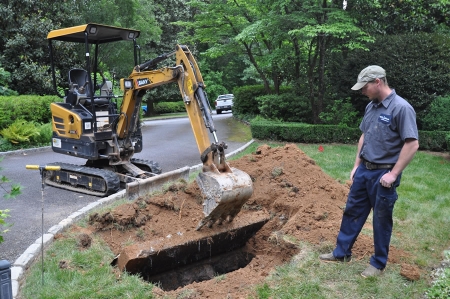
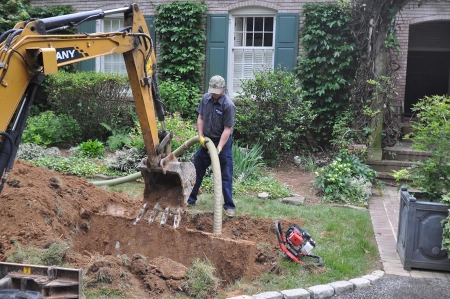
Slow drains in multiple fixtures at once, gurgling toilets, or sewage odors near the foundation usually point to a problem in this section of the line. A camera inspection confirms the exact location and type of damage before digging begins. Partial repairs are possible when the damage is isolated to a short section. The damaged pipe segment gets cut out and replaced with new PVC fittings and a clean connection on both ends.
Scheduling a septic inspection in St. Andrews that includes a camera pass on the inlet line is a practical step for any property where slow drainage has become a recurring issue. Catching a partial pipe collapse early avoids the scenario where a full blockage forces an emergency excavation.
How Soil Conditions in St. Andrews Affect Repair Decisions
St. Andrews is in a region where soil profiles can shift between sandy fill, clay-heavy subsoil, and areas with a high seasonal water table. Each of these conditions affects how a repair gets planned and executed. Sandy soil drains well but doesn't hold shape during excavation, which can require shoring or casing to keep a trench open safely. Clay soil holds moisture, which increases hydrostatic pressure on tank walls and joints.
A high water table at the time of repair complicates sealing work because hydraulic cement and epoxy compounds need controlled moisture conditions to cure correctly. A qualified septic company accounts for these variables before deciding whether to attempt a repair in wet conditions or schedule the work for a drier period. Ignoring soil saturation leads to failed seals and repeated repairs.
These same soil conditions factor into decisions about septic installation in St. Andrews on properties where a tank has failed beyond repair. A soil evaluation determines whether the existing location can support a new tank or if the installation needs to move to a different area of the lot.
Do You Need Reliable Septic Maintenance in St. Andrews, South Carolina?
Septic Blue brings the diagnostic equipment and hands-on experience needed to identify the actual source of a septic problem, not just the symptom. Whether the issue is a cracked lid, a failed baffle, or a compromised inlet line, the repair gets done to last. Call Septic Blue to schedule a septic inspection in St. Andrews, get a clear diagnosis, and move forward with a repair plan that protects the entire system.