Reliable Septic Service. No Mess. No Stress

Reliable Septic Service. No Mess. No Stress
Where the Tough Jobs Get Done Right.Reliable Septic Service. No Mess. No Stress
Reliable Septic Service. No Mess. No Stress
Where the Tough Jobs Get Done Right.
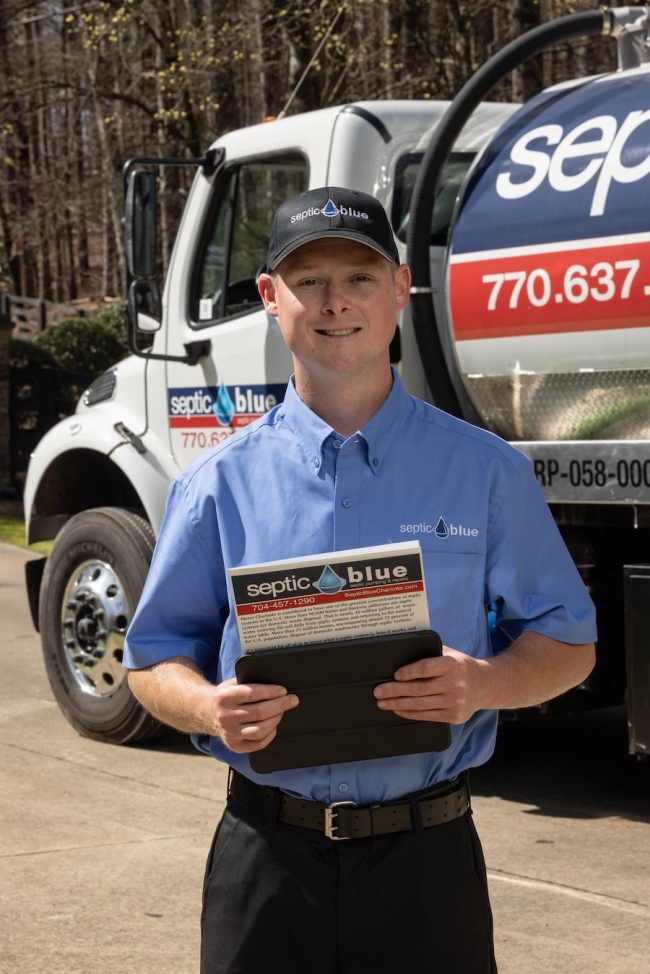
Plenty of families move into a home with a septic system without anyone sitting them down to explain how it works or what it needs from the people living above it. Using a septic system responsibly is not complicated, but it does require some basic knowledge that most households never get. Septic Blue talks to homeowners every day who are surprised to learn that everyday habits they thought were harmless have been working against their system for years. Keep reading because a little education now can save your family from a very unpleasant and expensive situation later.
Everything that goes down your drains ends up in the septic tank buried in your yard. Inside the tank, solids sink to the bottom and form a layer called sludge, while grease and lighter material float to the top as scum. The liquid in the middle flows out through an outlet pipe into the drain field, where the soil filters and absorbs it naturally.
The drain field does the heavy lifting in this process. A network of perforated pipes releases effluent slowly into the soil, which breaks down any remaining contaminants before the water reaches the groundwater supply. When the tank fills with too much sludge, the solid material pushes into the drain field and clogs the pipes. Drain field repairs cost thousands of dollars, and full replacement can run even higher. Routine septic maintenance in Columbia, SC protects every part of this process.
Scheduling regular septic tank pumping removes built-up sludge before it reaches the outlet pipe. A qualified septic company can also perform a septic inspection to determine the condition of the tank, the baffles, and the drain field.
The toilet is not a trash can, and treating it like one is one of the fastest ways to damage a septic system. The only things that should go down a toilet are human waste and toilet paper. That list excludes a long line of products that seem harmless but cause serious problems. Do not flush any of the following:
These materials accumulate in the tank and accelerate sludge buildup, which shortens the interval between required septic tank pumping visits and puts pressure on the outlet baffle. Post a short list near every toilet in your home so guests follow the same rules. Children especially need simple instructions about what belongs in the toilet.
Most households need septic tank pumping every three to five years, but that range depends on tank size and the number of people in the home. A 1,000-gallon tank serving four people fills faster than the same tank serving one or two. Waiting past the recommended interval lets sludge accumulate past the safe threshold.
A septic inspection during each pumping appointment gives the technician a clear picture of the tank's condition. The technician checks the inlet and outlet baffles, looks for cracks in the tank walls, and confirms the liquid level is where it should be. Catching a cracked baffle early costs less than repairing the drain field damage that follows if the baffle fails.
Skipping pumping doesn't save money. Instead, it replaces it with an unpredictable cost from sewage backing up into your home or wet spots forming above the drain field. Scheduling regular septic cleaning through a septic service keeps the system working and protects your property value.
The bacteria inside your septic tank do the work of breaking down organic waste. Antibacterial soaps, bleach-based cleaners, and chemical drain treatments kill those bacteria in large enough quantities. When the bacterial population drops, waste breaks down more slowly and sludge accumulates faster.
This doesn't mean you need to eliminate all cleaning products. Moderate use of standard household cleaners is generally fine. The problems start with large, concentrated doses, like pouring a full bottle of bleach down a drain or running multiple cleaning cycles with heavily chlorinated products. Spread out cleaning tasks and choose products labeled septic-safe when possible.
As for bacterial additives marketed as septic treatments, the evidence for their benefit is thin. A healthy system produces its own bacterial population without supplementation. The best thing you can do for the biology inside your tank is schedule septic cleaning on a consistent schedule, avoid products that disrupt the bacterial balance, and call a septic company if you notice slow drains, odors near the tank, or wet areas in the yard.
The drain field depends on loose, aerated soil to filter effluent properly. Compacted soil cannot absorb water at the rate the system requires, and that forces effluent to the surface or back toward the tank. Protecting the ground above the drain field is as important as managing what goes into the tank. Follow these rules for the area above your drain field:
Grass is the best ground cover for a drain field. It holds the soil in place without sending deep roots into the pipe network. If you're unsure where your drain field is located, a septic inspection from a licensed septic service provider can map the system and mark the boundaries clearly.
Septic systems are durable when families treat them well. Good habits keep the system going within its design limits and prevent failures that drain savings accounts. Septic Blue provides reliable septic tank pumping, septic cleaning, and full septic inspection services for homeowners throughout the area. Our experienced technicians diagnose problems accurately, explain what they find, and complete the work correctly the first time. Call us to schedule your next septic service appointment and keep your system in the condition your family depends on.
 May/08/2026
Your septic system will usually give you warning signs before…
Read More May/08/2026
Most homeowners know they're supposed to maintain their septic system,…
Read More May/08/2026