How a Septic Inspection Establishes What Kind of Repair Is Needed
A septic inspection in Lugoff is how a technician determines what's broken, where the damage is located, and what category of repair applies. Inspections typically include locating the tank, uncovering access lids, checking water levels, examining baffles, and assessing the drain field for indications of stress or failure.
Camera inspections of the inlet and outlet pipes give technicians a clear view of root intrusion, cracks, or blockages that aren't visible from the surface. Water level readings inside the tank can confirm whether the drain field is accepting effluent at the right rate or backing up. These details shape the entire restoration plan.
Skipping the inspection phase and jumping straight to a repair based on visible symptoms wastes time and money. A problem that looks like a tank issue from the surface may originate in the distribution box or a specific lateral line in the field. Septic inspection in Lugoff gives technicians the data they need to work accurately and efficiently.
The Components Most Likely to Fail and What Fixing Them Involves
Several specific components carry the most repair traffic in residential systems:
- Baffles: Inlet and outlet baffles are plastic or concrete fittings that direct flow inside the tank. When they break, solids escape into the drain field. Replacing a baffle is a contained repair, but leaving a broken one in place causes downstream damage.
- Risers and Lids: Cracked risers or deteriorated lids expose the tank to surface water and debris. Replacing them restores the seal and makes future access easier.
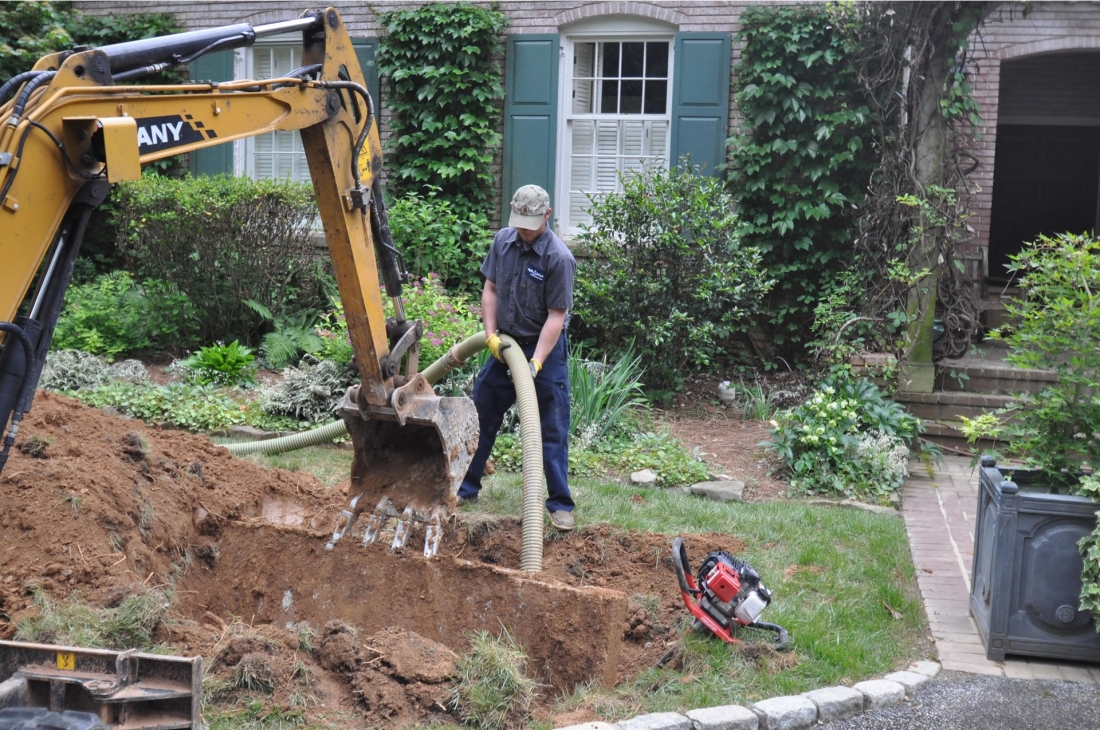
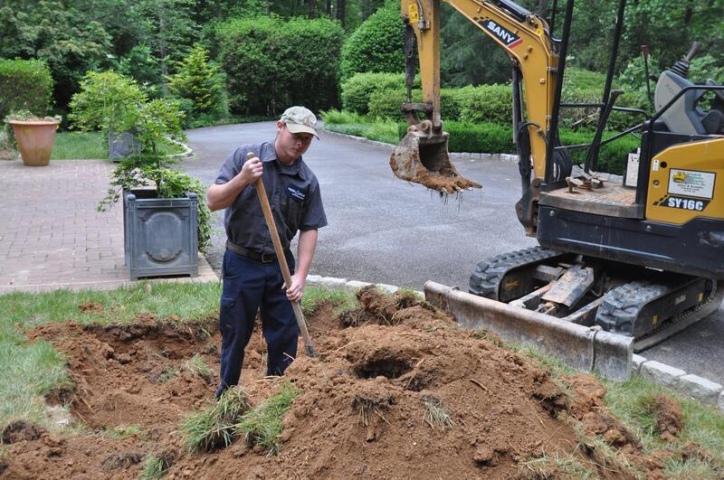
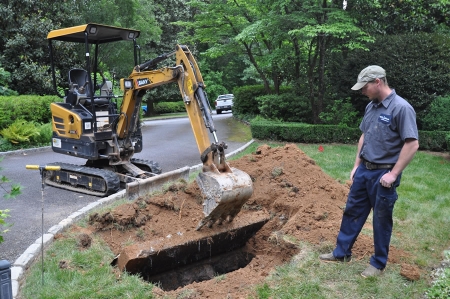
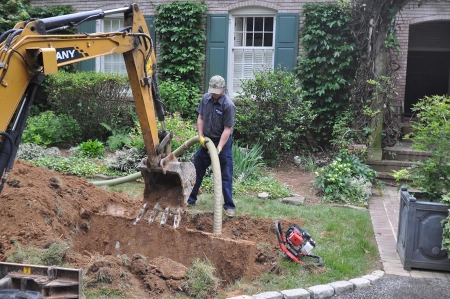
- Pipes: Cracked or root-damaged pipes between the house and tank, or between the tank and field, restrict flow and can collapse. Depending on depth and material, pipe repair may involve excavation and partial replacement.
- Pumps and Floats: Systems with pump chambers require functioning float switches and effluent pumps. A failed pump stops effluent from reaching the drain field and causes the tank to overflow.
Each of these repairs involves different labor, materials, and timelines. A baffle swap takes a fraction of the time a pipe replacement requires. Your technician should walk you through the scope before any work begins.
What Septic Maintenance Has to Do With Avoiding Repeat Repairs
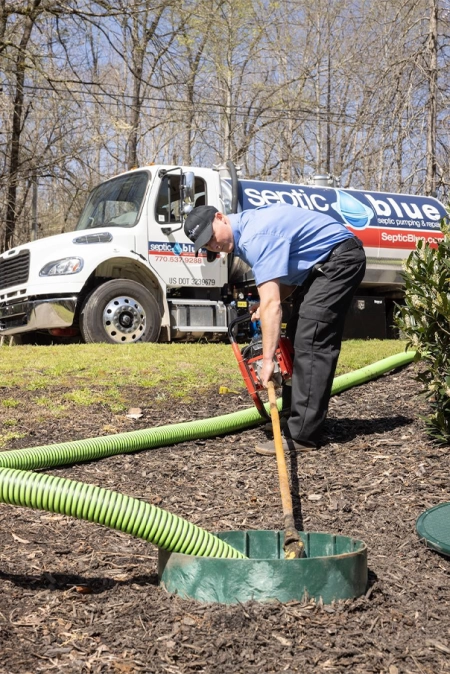
Septic maintenance in Lugoff is the most direct way to prevent the same repair from recurring. Pumping the tank on a schedule appropriate for household size removes accumulated solids before they reach levels that compromise the system. Most households need pumping every three to five years, though that window shortens with higher usage or garbage disposal use.
Maintenance visits also give technicians a routine opportunity to check baffles, inspect risers, and note any early signs of wear. Catching a cracking baffle during a maintenance visit costs less than repairing the field damage it causes if left in place. The inspection component built into a maintenance visit adds protective value.
Septic maintenance in Lugoff also includes monitoring what enters the system. Flushing wipes, grease, and household chemicals break down the bacterial environment the tank depends on to process waste. Keeping the system biologically healthy reduces solids buildup between pump cycles and extends the life of the drain field.
When Is a New Septic Installation the Answer?
Some systems reach a point where repairs stop being cost-effective. A drain field that has absorbed years of solid waste intrusion due to baffle failure may not recover with targeted treatment. Concrete tanks that have deteriorated structurally may require full replacement. When repair estimates approach or exceed the cost of replacement, installation becomes the sensible option.
Septic installation in Lugoff requires designing a new system that meets current state and county requirements, which may differ from what was permitted when the existing system was built. Soil testing, site evaluation, and permit approval are all part of the process before installation begins. A licensed septic company manages these steps and coordinates with local authorities on your behalf.
Choosing septic installation in Lugoff is also appropriate when a household's water usage has grown since the initial system was sized. An undersized tank and drain field will fail repeatedly regardless of how well it's maintained.
How to Choose a Septic Company You Can Trust
Licensing matters most when you're hiring for underground work. A licensed septic company carries the credentials required by South Carolina to perform installations, repairs, and inspections legally. Verify licensing before signing anything. Ask if the company pulls permits, and confirm they carry liability insurance.
Experience with local soil conditions and county regulations reduces complications during installation and repair projects. A septic company that has worked in the area will know the permit process, the most common soil profiles, and how local inspectors operate. Familiarity shortens timelines and reduces back-and-forth.
Clear pricing and ongoing communication throughout a project are also non-negotiable. You should receive a written scope of work before any digging begins. If a company won't commit to a written estimate, find one that will.
Are You Worried About Your Septic System?
Septic Blue provides septic tank repair in Lugoff along with inspection, maintenance, and installation services for residential properties throughout the area. If your system is showing signs of trouble, contact our team to schedule a septic inspection in Lugoff or a nearby community.