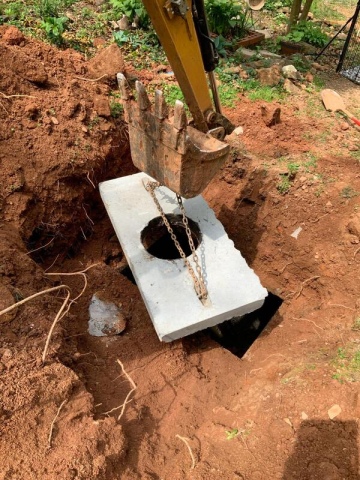
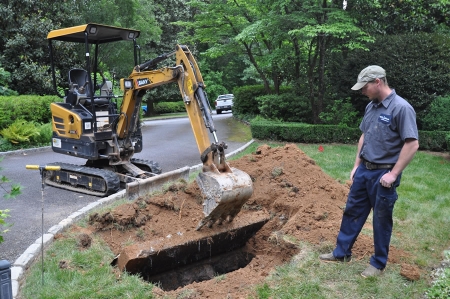
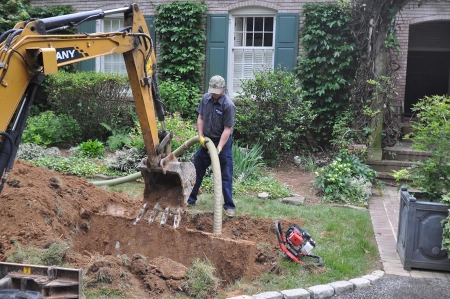
Baffles are another common repair. The inlet baffle slows incoming wastewater so solids can settle without disturbing the layer of effluent. The outlet baffle keeps floating scum from leaving the tank and clogging the drain field. When either baffle deteriorates, the system stops processing waste the way it should, and drain field damage follows.
Broken or collapsed distribution lines are less visible but just as serious. These lines carry effluent from the tank to the drain field, and if they fracture or separate at the joints, the system can't distribute liquid evenly. Uneven distribution overloads certain sections of the drain field while others go unused. Catching this during a septic inspection in Great Falls prevents a localized line failure from developing into a full drain field replacement.
How a Professional Septic Inspection Gets to the Root of the Problem
Diagnosing a septic problem without opening the system is a gamble. A professional septic inspection in Great Falls includes locating the tank, exposing the lids, checking liquid levels, inspecting both baffles, and assessing the condition of the tank walls. If the technician suspects a drain field issue, a dye test or camera inspection of the distribution lines can confirm where the failure is.
Inspection findings establish a baseline for the system's condition, which matters when you're deciding between a targeted repair and a larger intervention. A tank that's structurally compromised in multiple places may warrant replacement. A system with a single failed component and otherwise solid infrastructure is a good candidate for repair.
Documentation from an inspection also protects homeowners during property transactions. Buyers and lenders routinely require a current septic inspection before closing. Having a clean report, or a record of completed repairs from a licensed septic company, removes a major point of negotiation from the sale.
How Routine Pumping and Maintenance Reduce the Need for Costly Repairs
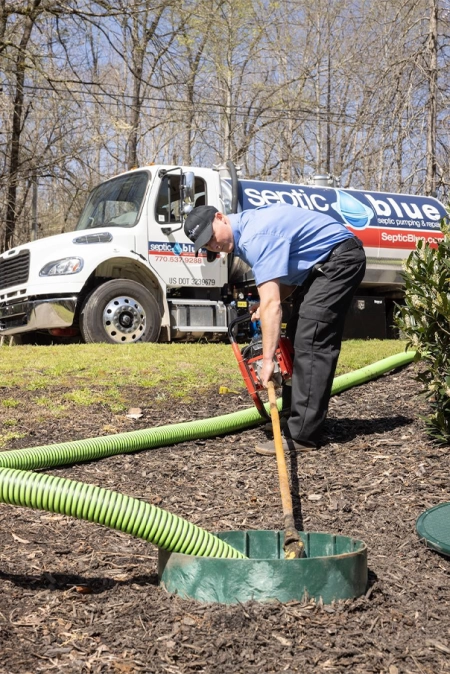
Septic pumping in Great Falls, SC removes the accumulated solids that don't break down inside the tank. Without removal, the sludge layer grows until it reaches the outlet and starts pushing into the drain field. Once solids enter the drain field, the biomat that forms is extremely difficult to reverse. That's the scenario septic maintenance is designed to prevent.
Most tanks serving a household of four people need pumping every three to five years. Households with garbage disposals, high water usage, or more occupants may need to schedule a service more frequently. A qualified septic company can check your usage and give you a pumping schedule that matches your system's load.
Septic maintenance in Great Falls also covers inspection of the inlet and outlet baffles, checking for cracks or settlement, and verifying that the distribution box is functioning correctly. These checks add minimal time to a service visit but catch developing problems. Septic installation in Great Falls is a serious investment, and routine maintenance is what protects it for the long term.
Protect Your Property with the Right Septic Company
Septic tank repair in Great Falls doesn't have to turn into a major project if the problem gets fixed at the right stage. The difference between a baffle replacement and a new drain field is usually just time. Homeowners who schedule regular inspections and pumping rarely face the larger repairs. Those who wait until they have standing sewage in the yard are dealing with an emergency that gets worse with every day it goes ignored. Septic Blue provides inspections, repairs, pumping, and septic installation in Great Falls. Call today to schedule a septic inspection in Great Falls or a surrounding community and get a clear picture of where your system stands.