What Tree Root Intrusion Does to Septic Tank Walls and Pipes
Tree roots follow moisture, and septic systems produce a constant supply of it. Roots can enter through small cracks in the inlet or outlet pipes, work their way through joint seals, and eventually breach the tank walls themselves. Once inside, they expand, fracture the concrete or PVC, and create channels for solids to escape into the soil.
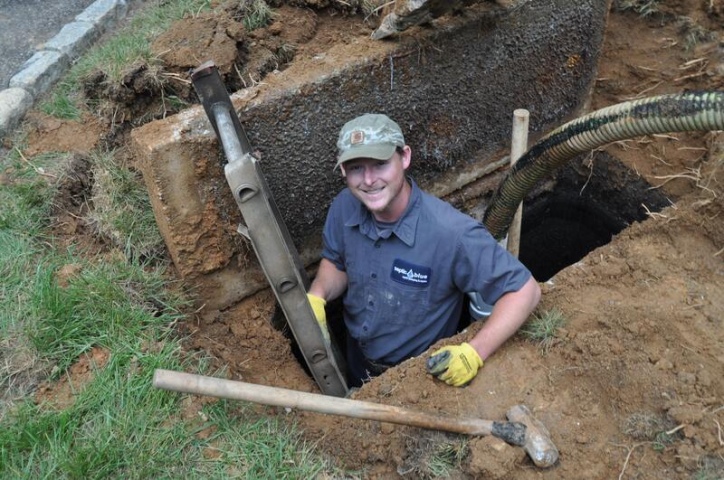
The damage is rarely visible from the surface. A tank can have major root intrusion with no obvious signs until a pump or inspection uncovers it. By that stage, the roots may have compromised pipe alignment, cracked baffles, or caused partial collapse of a section of the line.
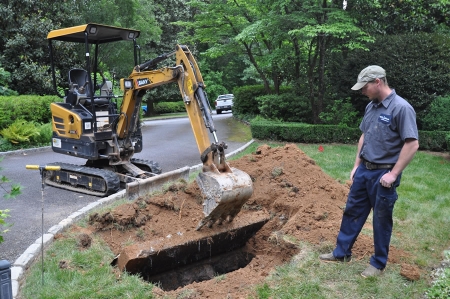
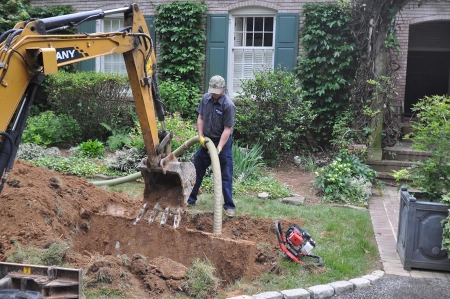
Repair options depend on how far the intrusion has progressed. Minor root infiltration in pipes can sometimes be cleared and treated with foaming agents that inhibit regrowth. More severe structural damage to the tank or lines requires excavation and replacement of the affected components. A qualified septic company will determine the extent before recommending a course of action.
What Septic Tank Repair Options Are Available Based on the Type of Damage
Not every repair requires digging up the entire system. Repairs are matched to the type and location of the damage, and a thorough septic inspection in Blythewood is what makes an accurate diagnosis possible. Attempting repairs without identifying the source typically results in the same problem recurring within a year or two. Common repairs include:
- Baffle Repair or Replacement: Inlet and outlet baffles direct flow and prevent solids from entering the drain field. Deteriorated baffles are among the most common repairs and can usually be completed without full excavation.
- Pipe Repair or Relining: Cracked or offset pipes between the house and tank, or between the tank and drain field, can sometimes be repaired with trenchless lining instead of full replacement.
- Tank Crack Sealing: Small structural cracks in concrete tanks can be sealed with hydraulic cement or epoxy injection, depending on crack depth and location.
- Drain Field Remediation: If effluent has been saturating the soil, the drain field may need resting, aeration, or, in more severe cases, partial or full replacement.
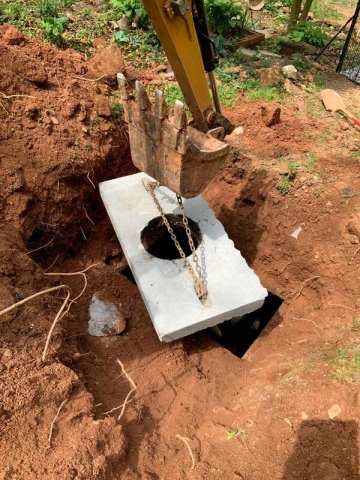
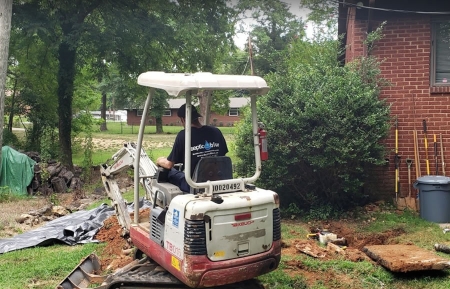
- Full Tank Replacement: When a tank is structurally compromised beyond repair, septic installation in Blythewood covers the full replacement process from excavation through final inspection.
How to Keep Your Septic System in Better Shape Between Service Visits
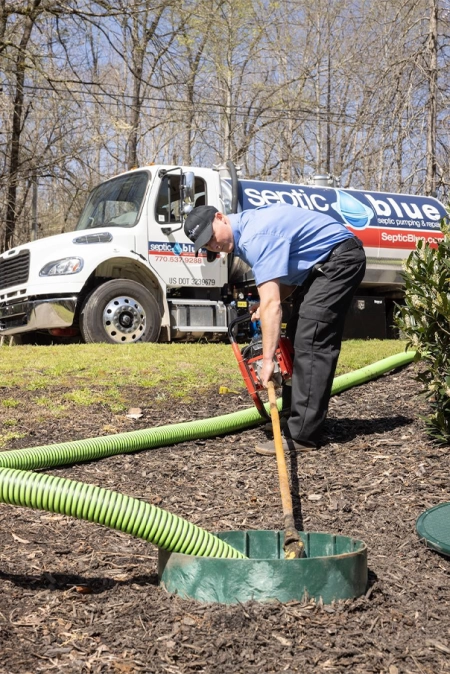
Routine septic maintenance is less about following a rigid schedule and more about understanding what the system can and cannot handle. Most tanks need pumping in Blythewood, SC every three to five years, depending on household size and usage. Pushing that interval longer allows solids to accumulate past the point the system can manage.
What goes into the system matters as much as how often it gets serviced. Flushing wipes labeled "flushable," disposing of grease down the drain, or using garbage disposals heavily all increase the solids load the tank has to process. Antibacterial soaps and certain cleaning products disrupt the bacterial balance inside the tank, which slows down the breakdown of waste.
Water conservation is a practical maintenance tool. Spacing out laundry loads, fixing running toilets promptly, and avoiding large water inputs in a short window all reduce hydraulic pressure on the system. A septic company can walk you through usage patterns specific to your household size and help you build habits that extend the time between major service calls.
Why Choose Septic Blue for Septic Tank Repair in Blythewood
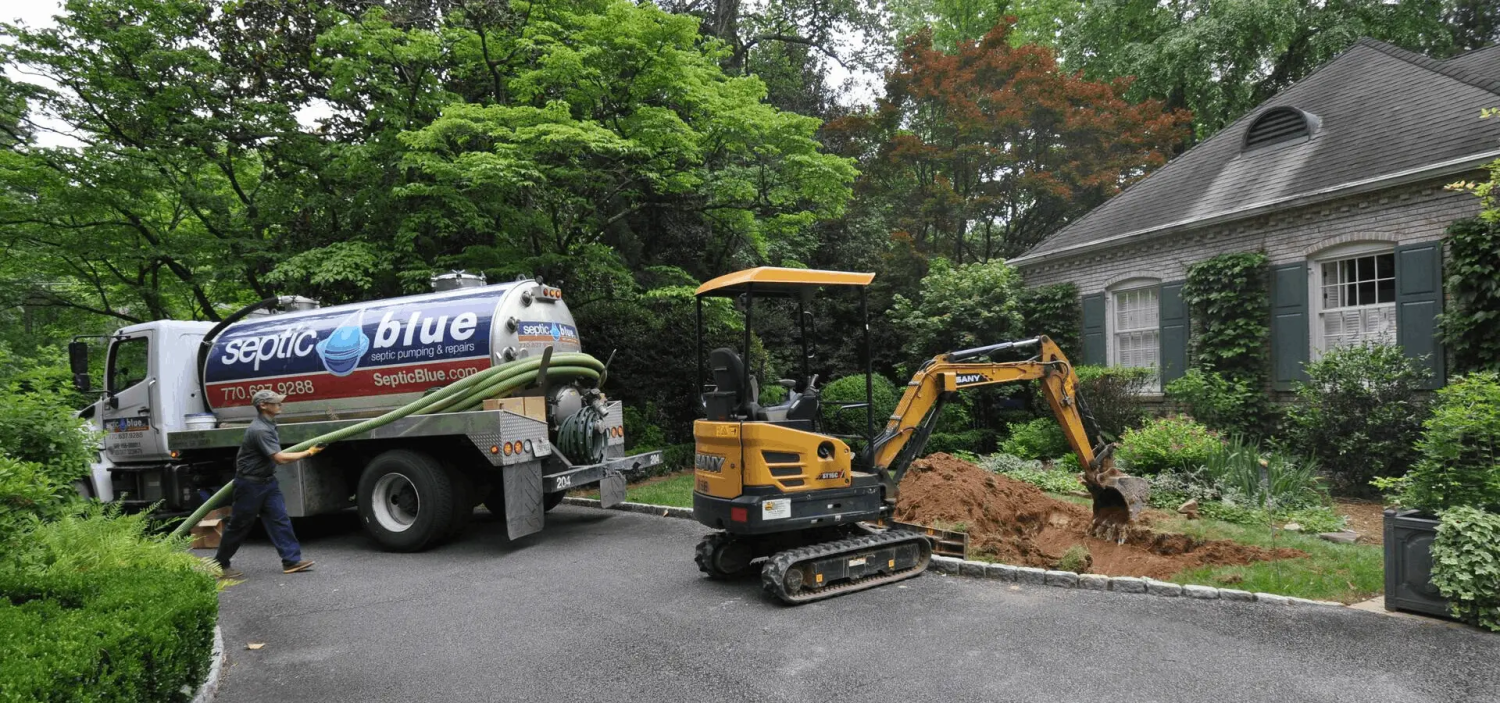
Septic Blue provides septic tank repair in Blythewood with technicians who accurately diagnose and clearly explain what the system needs before any work begins. Whether you need a septic inspection in Blythewood to identify a developing issue, routine septic maintenance in Blythewood to keep things running as they should, Septic Blue can take care of it. Call today to schedule a service visit and get a clear answer about what your system needs.