Reliable Septic Service. No Mess. No Stress

Reliable Septic Service. No Mess. No Stress
Where the Tough Jobs Get Done Right.Reliable Septic Service. No Mess. No Stress
Reliable Septic Service. No Mess. No Stress
Where the Tough Jobs Get Done Right.

Living on a septic system comes with a different set of responsibilities than being connected to a municipal sewer line. The habits of everyone in the household affect how well the system holds up. Most septic problems that require expensive repairs trace back to things that could have been avoided with some basic awareness. Septic Blue works with families on septic maintenance plans that keep systems running reliably year after year, and the guidance we give most often comes down to consistent habits rather than complicated fixes. A well-maintained system can last for decades. Keep reading for a look at what families living on septic systems should know and do on a regular basis.
Your septic system is not a trash can with pipes, and treating it like one is the fastest way to end up with a backed-up system and a repair bill that could have been avoided. The bacteria living in your tank break down organic waste, and anything that disrupts or clogs the process creates problems that build up fast. Every person in the house needs to understand the basics, not just the adults paying the bills.
Flush only human waste and toilet paper. The list of exceptions is short for a reason. Wipes marketed as "flushable" do not break down in septic tanks and accumulate in the tank until they cause a blockage. Feminine hygiene products, cotton balls, paper towels, and any kind of wipe belong in a trash bin, not the toilet. Grease poured down the kitchen drain hardens into a thick scum layer that accelerates the need for septic tank pumping in Columbia, SC.
Walk your kids through the rules in plain terms. Younger children should know that certain things go in the trash and not the toilet. Teenagers old enough to do dishes should know not to dump grease or food scraps into the sink. A few minutes of explanation now prevents the kind of damage that brings a septic company to your driveway.
The industry standard recommendation is septic tank pumping every three to five years, but the range depends on how many people live in the home and how the system gets used. A family of five will fill a tank faster than a couple living alone. Smaller tanks in larger households may need pumping closer to every two years to stay ahead of solids buildup.
Waiting too long between pump-outs allows the solid layer at the bottom of the tank to rise until it enters the drain field. Once solids reach the drain field, the damage is no longer a simple pump-out situation. Drain field repairs or replacements cost much more than routine septic maintenance, and they are preventable with consistent scheduling.
Track the last time your tank was pumped. If you bought the home recently and have no records, schedule an inspection with a septic company to establish a baseline. From there, set a calendar reminder and treat it like any other home maintenance obligation. Letting it slip because the system seems fine is exactly how families end up with a failure they did not see coming.
Your tank depends on a living community of bacteria to process waste. Certain household chemicals kill those bacteria or slow them down enough to throw off the entire system. Bleach, antibacterial soaps, drain cleaners, and some toilet bowl cleaners are the main culprits. When used in large amounts, they disrupt the biological balance the tank needs to function.
Switch to septic-safe cleaning products where you can. Many brands label their products clearly for septic compatibility. You don’t need to overhaul every product in your home, but pay particular attention to what goes near drains. A single full bottle of bleach-based cleaner poured down a drain can wipe out enough bacteria to slow your tank's processing for weeks.
Medications flushed down the toilet are another concern. Prescription drugs pass through the system and can affect bacterial activity. Dispose of unused medications at a pharmacy take-back program rather than flushing them. These small substitutions add up and reduce how hard your system has to work between each septic cleaning visit.
A reactive approach to septic care costs more money and creates more disruption than a scheduled one. Setting up proactive septic services on a schedule means you aren’t left scrambling when something goes wrong. Start with a pump-out and inspection if you do not have recent records, and build from there based on your household size and tank capacity.
Most families benefit from an annual inspection even if a full pump-out is not needed every year. An inspection lets a technician check the tank's inlet and outlet baffles, measure the scum and sludge layers, and confirm the drain field is draining correctly. Catching a failing baffle or a slow drain field early keeps a small fix from becoming a large one. A reliable septic company will document findings on each visit, so you have a clear record to reference. Build your schedule around these intervals:
Put these dates in your home maintenance file and review them annually. Consistent septic maintenance is the standard practice that separates systems that last 30 years from those that fail at 15.
Septic Blue provides reliable septic service for local property owners. Our technicians document every visit and give you timelines for your next pump-out. If you haven’t had your system inspected in a few years, or if you aren’t sure when the last pump-out happened, contact us today to schedule a visit.
 May/08/2026
Your septic system will usually give you warning signs before…
Read More May/08/2026
Most homeowners know they're supposed to maintain their septic system,…
Read More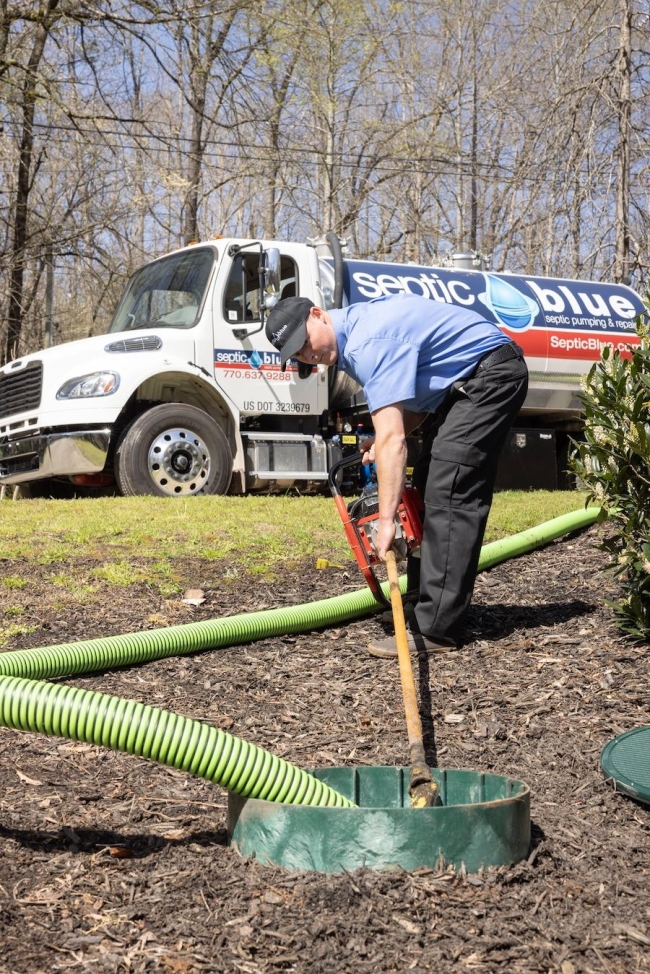 May/08/2026