Reliable Septic Service. No Mess. No Stress

Reliable Septic Service. No Mess. No Stress
Where the Tough Jobs Get Done Right.Reliable Septic Service. No Mess. No Stress
Reliable Septic Service. No Mess. No Stress
Where the Tough Jobs Get Done Right.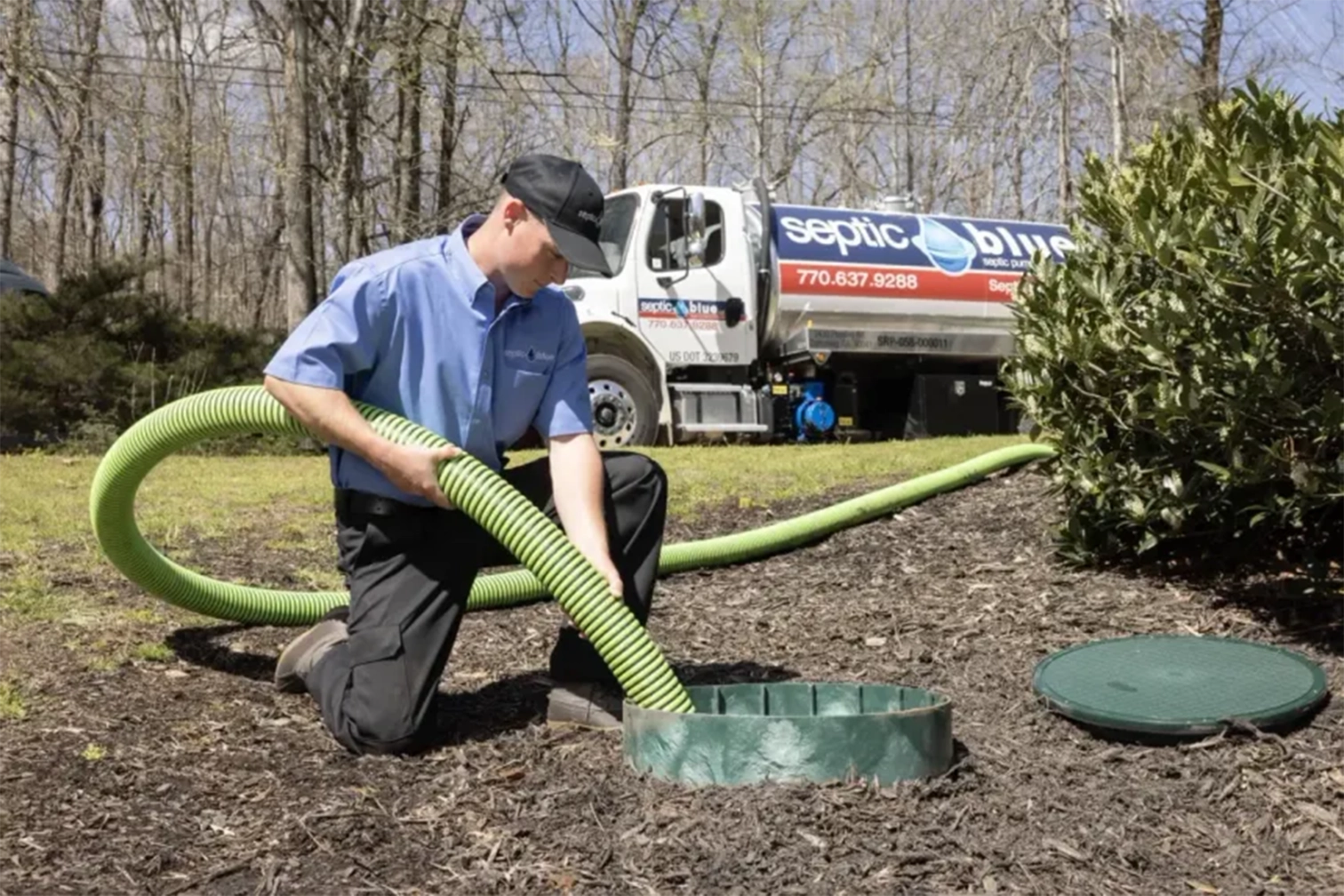

A septic tank can be losing wastewater without leaving an obvious puddle in the yard, which makes suspected leaks difficult for homeowners to judge on their own. Changes in flow, unusual tank levels, slow drainage, or recurring system trouble can all give technicians clues about whether wastewater is moving through the system as it should. Septic Blue provides septic service for homeowners who need help evaluating tank performance and identifying possible problems. The sections below explain what technicians may look for during flow testing, how leaks can affect system behavior, and what the results can reveal about the condition of the tank.
Wastewater should move from the house into the septic tank and then continue toward the drain field. Watching that movement can tell a technician quite a bit about where a problem may be developing. During a flow test, water is sent through the household plumbing while the technician watches what happens at the tank.
The amount of water arriving and the way the tank level changes can point the inspection in a particular direction. Water may enter more slowly than expected, for example, or the level may fall when it should remain steady. Either response gives the technician a reason to examine other parts of the system more closely.
A blocked inlet, outlet trouble, a restriction in the home’s plumbing, or a problem farther down the septic system can produce similar symptoms. Tank levels, accessible components, drainage problems around the home, and previous service records can provide the information needed to narrow down the cause.
A septic company in Great Falls can then trace the problem according to what’s actually happening on the property. The source may be in the household plumbing, inside the tank, or somewhere between the tank and drain field. Finding that location first makes it easier to determine what kind of service or repair is appropriate.
In a properly functioning system, wastewater generally reaches a working level near the outlet. A level that sits unusually high or low raises different questions. A high level points toward restricted flow leaving the tank. Trouble at the outlet, a blocked line, or a saturated drain field can slow wastewater as it tries to move onward.
An unexpectedly low level leads the inspection in another direction. If the tank has not recently been pumped and household wastewater has been entering normally, a low level can suggest that liquid is escaping. Cracks, damaged seams, or other structural defects belong on the list of possibilities.
Service history gives the technician important context for what they find in the tank. A low liquid level shortly after septic tank pumping would be expected, while the same reading in a tank that hasn’t been pumped for several years could point to a problem that warrants further investigation.
Leaks from a septic tank can remain hidden underground for some time. Wastewater may seep into the surrounding soil without reaching the surface, leaving no puddle or obvious wet area to show where the problem began.
Unusual tank levels are one clue, but technicians look for others. Damp soil near the tank, erosion around access points, visible cracks, damaged baffles, or signs that groundwater is entering or wastewater is leaving through a compromised section all help build a clearer picture. The type of tank matters too because concrete, fiberglass, and other materials develop different kinds of damage.
Septic cleaning can help expose areas that are difficult to inspect when solids and scum obscure parts of the tank. Once the tank is accessible and emptied as needed, a technician has a better view of surfaces, seams, baffles, and other components that may show damage.
Flow problems can develop on either side of the septic tank. Wastewater enters through the inlet line and leaves through the outlet, and a restriction along either route can change what homeowners notice inside the house or what a technician finds during an inspection.
When the inlet line is restricted, wastewater may have trouble reaching the tank. Several drains might slow down, toilets may flush poorly, or a backup may occur even when there’s still room in the tank. Without checking the inlet, those symptoms could easily be blamed on a tank that needs pumping.
Septic service can help establish where normal flow begins to change. Following the wastewater from the house through the tank and toward the drain field gives the technician a better basis for recommending the work and reduces the chance of paying for a service that won’t solve the problem.
Sometimes the tank needs to be emptied before anyone can inspect it properly. Heavy sludge at the bottom and a thick scum layer at the top can hide cracks, damaged baffles, deteriorated surfaces, or other conditions that are easier to see once the contents are removed.
Septic tank pumping removes the accumulated solids and liquid from the tank. Afterward, the technician can inspect more of the interior and observe how the tank behaves as wastewater starts entering again. If the liquid level drops unexpectedly after the system returns to use, that change adds another piece of evidence.
Pumping won’t repair a leak or fix a damaged outlet, but it may expose problems that weren’t visible while the tank was full. From there, a septic company can determine whether the tank requires repair, the trouble is coming from another part of the system, or no additional work is necessary at the time.
Most homeowners don’t spend much time thinking about the tank until a drain slows down or something backs up. Routine septic maintenance gives the system periodic checkpoints before the household reaches that point.
How often septic tank pumping is necessary depends on the property. Tank size, the number of people in the household, water use, and the amount of solids entering the system all influence how quickly pumping becomes necessary. Septic maintenance can be planned around those conditions instead of using the same interval for every home.
If you’ve noticed slow drains, unusual tank levels, recurring backups, or other changes in the way wastewater moves through your system, contact Septic Blue to schedule an appointment. Our technicians provide professional septic service, system testing, and recommendations based on what they find during the visit.
 Oct/09/2026
Ignoring septic system problems never saves money. It just…
Read More Oct/04/2026
Most homeowners never consider what happens after they flush! The…
Read More
