Reliable Septic Service. No Mess. No Stress

Reliable Septic Service. No Mess. No Stress
Where the Tough Jobs Get Done Right.Reliable Septic Service. No Mess. No Stress
Reliable Septic Service. No Mess. No Stress
Where the Tough Jobs Get Done Right.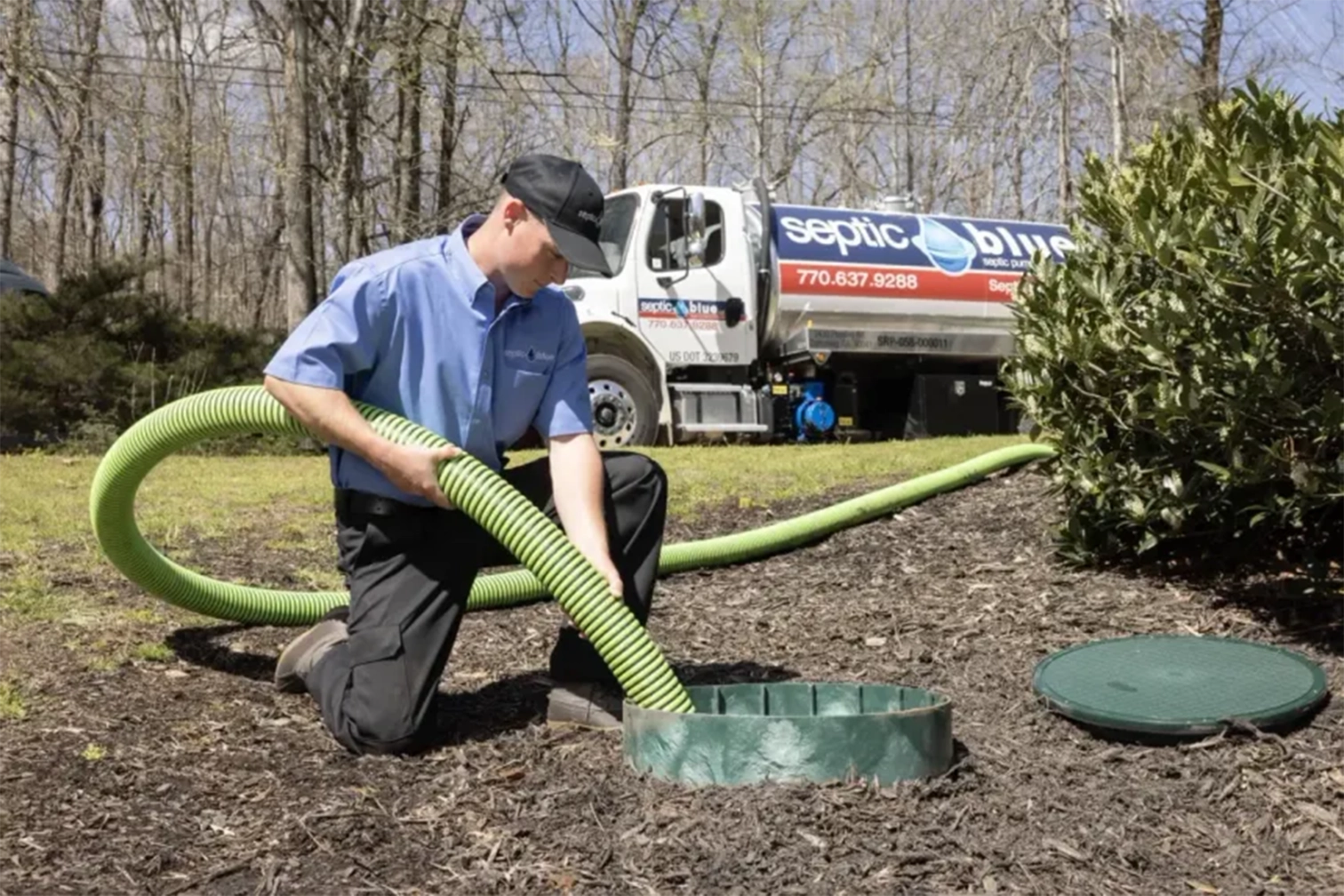

Getting the keys to a house with a septic system and realizing you have no idea how it works is a common panic among first-time owners. Nobody at closing sat you down and explained what's buried in the yard, how to care for it, or what happens if you get it wrong. The learning curve isn't steep, but skipping it leads to expensive mistakes that could have been avoided. At Septic Blue, we get calls from new homeowners who feel like they inherited a system with no manual. Finding a reliable septic company early makes the ownership experience much easier. Here's what to sort out in your first month in the house.
Before you touch anything else, walk the yard and figure out where the components sit. Most tanks are buried within 10 to 25 feet of the house, along the main sewer line exiting the foundation. Look for slight depressions in the soil, or two small round covers spaced a few feet apart.
The drain field usually sits downhill from the tank and covers a larger rectangular area. You might notice parallel lines of thicker grass where the lateral pipes run underground. Mark the boundaries with garden stakes or spray paint so you don't park a truck, plant a tree, or build a shed on top of it later.
If the lids are buried under six inches of dirt, a probe rod pushed gently into the soil will hit them. Some owners install riser lids that sit flush with the ground. It’s an upgrade that pays for itself the first time you need septic tank pumping. Digging up buried lids adds at least an hour of labor to every service call.
Your county health department or environmental services office keeps records of every permitted septic install in their jurisdiction. Call them, give them your parcel number, and ask for the as-built diagram. This drawing shows tank size, pipe locations, drain field dimensions, and setback distances from wells and property lines.
The document costs a few dollars to pull and answers questions you'll have for years. It tells you whether you have a 1,000-gallon or 1,500-gallon tank, which changes your pumping schedule. It shows whether the system uses a pump or works on gravity alone. It also confirms the drain field type, whether it’s using conventional trenches, chambers, or an advanced treatment unit.
Store a paper copy in your closing binder and a scanned version in cloud storage. When you sell the house, buyers will ask for it. When a septic service technician arrives, hand them this diagram to cut down on diagnostic time.
Even if the seller provided a pre-sale report, book your own septic inspection within the first 60 days. A baseline inspection documents the current condition of the tank, baffles, filter, and drain field so you can track changes. Skipping this step means you're guessing about what "normal" looks like for your specific system. A thorough inspection includes these checks:
Ask the technician to write down the sludge depth in inches. Two years from now, comparing that number to a fresh reading tells you how fast your household fills the tank so you can establish the right septic maintenance frequency.
City sewer users can get away with flushing a lot of things. You cannot. Everything that goes down your drains sits in the tank, and the bacteria living there only break down specific materials. Keep these items out of every drain in the house:
Overuse of bleach can potentially wipe out the biology in your tank. Switching to septic-safe toilet paper and cleaners protects the bacterial colony that keeps the whole system running between rounds of septic cleaning in Forest Acres.
Septic systems fail on the schedules of owners who forget about them, not on the schedules of owners who plan ahead. Put recurring reminders on your phone or calendar the week you move in, and treat them like oil changes for the car. A workable rotation for a family of four looks like this:
Households of two people can stretch pumping to 4 or 5 years. Households of six with heavy laundry loads need it every 2. Track your water usage on the utility bill, because every gallon that enters the house eventually reaches the tank.
Keep a folder with every pumping receipt, septic inspection report, and repair invoice. When you list the house years from now, the paperwork can possibly improve the sale price and shorten the negotiation.
New homeowners who set up their system correctly in the first month save more across the decades they own the property. Whether you need a baseline inspection, your first pumping, or answers to questions the previous owner never wrote down, you need a reliable septic company that can walk you through each step. Call Septic Blue to schedule septic service and get your system on a schedule that fits your household.
 Oct/09/2026
Ignoring septic system problems never saves money. It just…
Read More Oct/04/2026
Most homeowners never consider what happens after they flush! The…
Read More
